What Happens To Water After You Drink It

You take a sip of water, and it’s gone. But what actually happens inside your body after that refreshing swallow? It’s a journey more dramatic than you might think—a high-stak...
You take a sip of water, and it’s gone. But what actually happens inside your body after that refreshing swallow? It’s a journey more dramatic than you might think—a high-stakes delivery mission that keeps you alive.
From Lips to Gut: The First Five Seconds
Your mouth doesn’t just pass water along; it’s the first checkpoint. Saliva gives it a quick pH check, and your tongue sends signals to your brain: hydrating, cold, good. Within two seconds, the water hits your esophagus and triggers a wave of muscle contractions called peristalsis—think of it as a gentle, invisible escalator.
Here’s a fun fact: if you drink upside down, peristalsis still works. Gravity is a helper, not a requirement. Your body is basically a gravity-defying logistics company.
Must Read
The Stomach: A Temporary Pit Stop
Water doesn’t linger long in your stomach like food does. It bypasses the acid bath and moves straight through to the small intestine—usually within 5 to 20 minutes. This is why you can chug water before a workout and feel sloshy for a moment, but it settles fast.
If you’ve ever guzzled ice water and felt a brief brain freeze, that’s your trigeminal nerve freaking out. Ancient humans might have thought it was a spirit. We now know it’s just your body’s way of saying, “Whoa, slow down, champ.”
Absorption: Where the Magic Happens
Your small intestine is the real MVP of hydration. It’s lined with millions of tiny finger-like villi that act like sponges, pulling water into your bloodstream. The water then hitches a ride with electrolytes like sodium and potassium—this is why sports drinks work, but plain water is usually the boss.
Culturally, think of this as the body’s version of an Italian espresso bar: quick, efficient, and absolutely essential to the day’s flow. Except instead of caffeine, you’re delivering life-supporting H2O to every cell.
Your Cells: The Final Destination
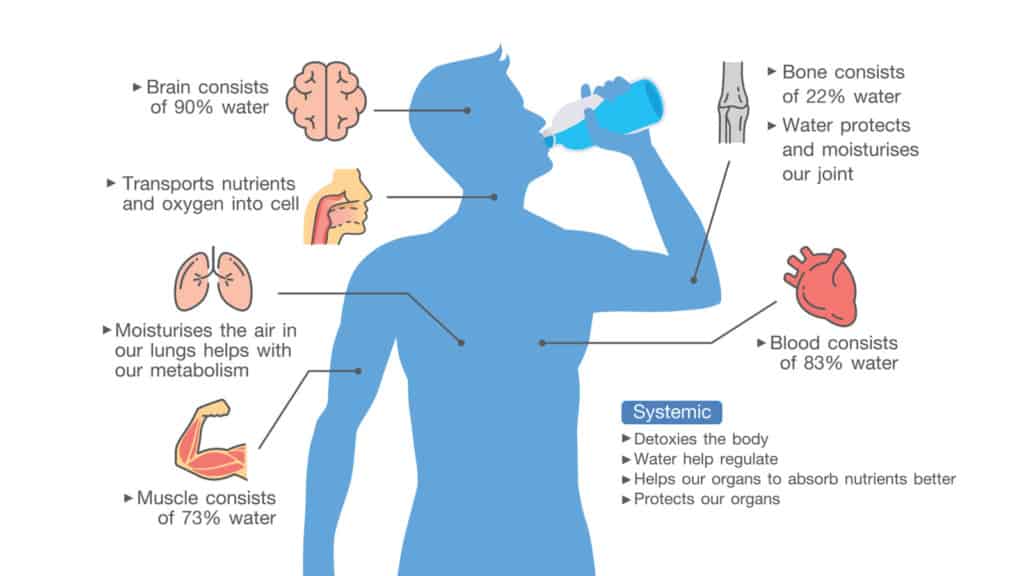
Once in the blood, water distributes to every organ, muscle, and even your brain. Your brain is about 73% water—so yes, being dehydrated literally makes you foggy. Drinking a glass of water can sharpen your focus faster than you’d expect.
Your kidneys then take over as the quality control managers. They filter about 180 liters of fluid per day, but you only pee out about 1 to 2 liters. The rest is recycled or stored for later. Your body is a master conservationist.
 This Is What Happens When You Drink A Lot Of Water 8 Best Time To
Where It All Goes
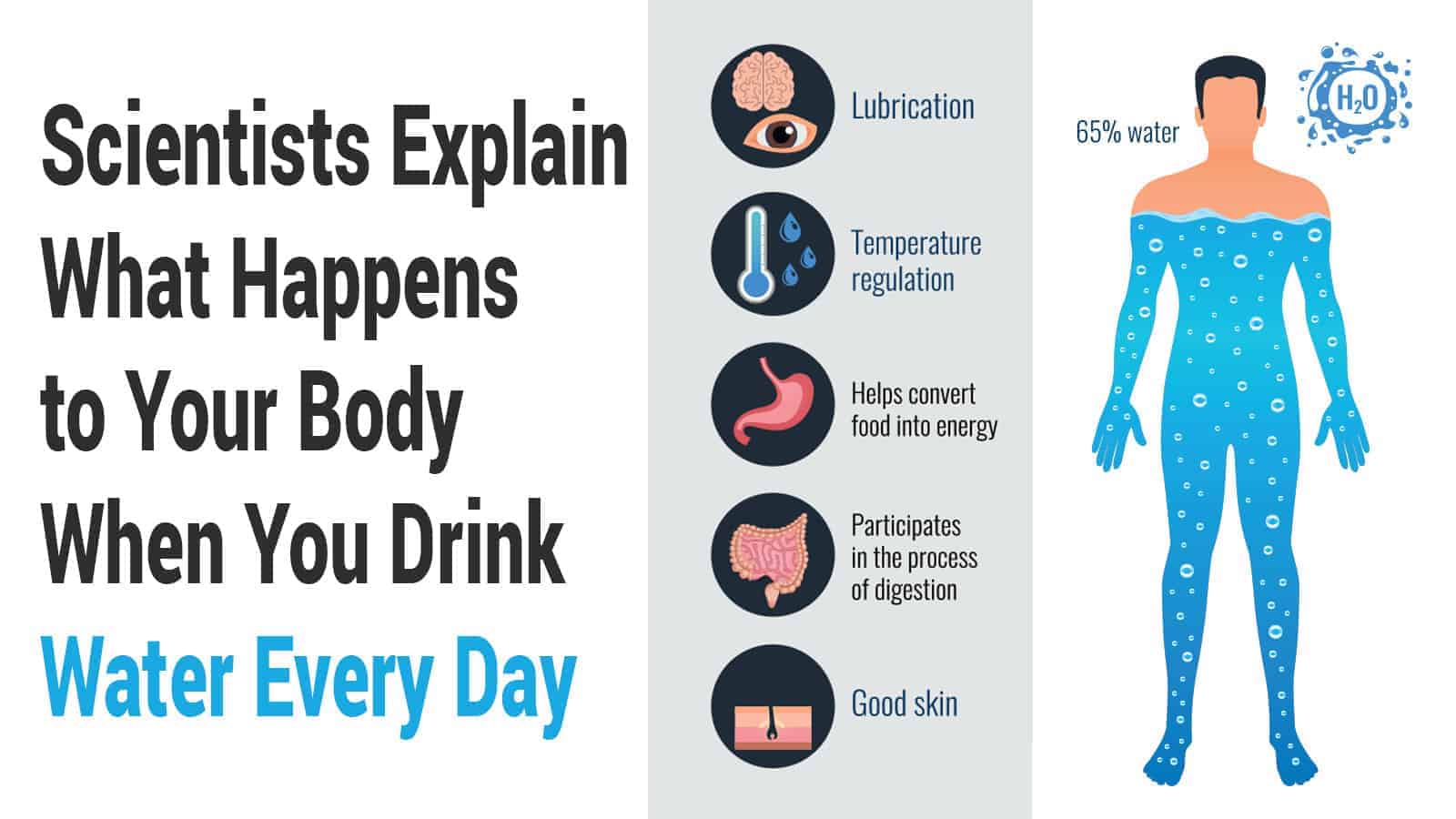
Within an hour, you’ll likely feel the urge to pee—but not all water becomes urine. Some gets sweated out when you exercise, some leaves as vapor when you breathe (you lose about 400ml a day just by exhaling), and some helps lubricate your joints. Every drop has a job.
Fun tiny detail: the color of your pee is a direct report card from your kidneys. Pale yellow? You’re hydrated. Dark amber? Time to drink. Clear and frequent? You might be overdoing it—balance is key.
Practical Tips for Everyday Hydration
Stop chugging a full bottle in one go. Your body processes water best when you sip steadily throughout the day. Aim for a glass every hour, not a gallon at noon.
If you hate plain water, add a slice of lemon, cucumber, or a splash of juice. Your taste buds don’t care about purity, and your kidneys will love the extra electrolytes.
Listen to your body before your mouth gets dry. Thirst is already a late signal. Keep a reusable bottle on your desk or in your bag, and make it a visual habit.
A Simple Reflection
Water is the most ordinary thing we consume, yet it performs an extraordinarily complex dance. From your first sip to the last cell it reaches, it’s a silent, tireless partner in your daily life.
Next time you fill your glass, take a second to appreciate the journey. That water isn’t just quenching your thirst—it’s keeping your entire universe running. And that, honestly, is pretty cool.
