Reverse Osmosis Water Filter Northern Beach

There’s a quiet revolution happening in kitchens from Manly to Palm Beach, and it’s not about the latest avocado toast recipe. It’s about the water coming out of your tap—spec...

There’s a quiet revolution happening in kitchens from Manly to Palm Beach, and it’s not about the latest avocado toast recipe. It’s about the water coming out of your tap—specifically, how to make it taste like it just rolled off a glacier. The Reverse Osmosis water filter has become the unofficial hero of the Northern Beaches, transforming mediocre mains water into something you’d happily pay for at a Byron Bay café.
The Wet Side of Paradise
Living on the Northern Beaches means you’re surrounded by stunning ocean views, but the local water supply often tastes like a swimming pool’s afterthought. Blame the high sodium levels and chlorine that municipalities add to keep things clean. A reverse osmosis system strips that away, leaving water so pure it almost feels smug.
Think of it as the Marie Kondo of your plumbing—it sparks joy by removing literally everything that doesn’t, from lead to fluoride. The result? Crystal-clear hydration that makes your morning coffee taste like it was brewed by a barista in Avalon, not a tired parent in a hurry.
Must Read
How Does It Actually Work? (Or, The Science of Sips)
You don’t need a physics degree to appreciate what’s happening under your sink. Reverse osmosis uses a semi-permeable membrane that acts like a bouncer at a trendy bar, only letting water molecules through while kicking out dissolved salts, bacteria, and even microscopic plastics. It’s basically a pressure-induced filter party where only the purest guests get in.
Fun fact: The process was originally developed for desalinating seawater on submarines, so your tap water is now getting the same treatment as a naval crew’s daily ration. That’s some serious military-grade taste upgrade for your Sunday brunch.
Northern Beaches Practicalities
Before you dive in, consider your storage space. Most systems need a small tank tucked under your kitchen sink, which is perfect for beachside apartments where counter real estate is precious. Expect a minor flow rate drop compared to a regular tap—think steady pour, not firehose.
Local plumbers on the Beaches recommend systems with a sediment pre-filter because our water often carries fine sand particles from the nearby coast. It’s a small tweak that saves your membrane from early retirement. Also, change your filters every six months or so; skipping this is like wearing a wetsuit with a hole in it—pointless and damp.
The Taste Test: A Cultural Benchmark
If you’ve ever done the “Is this bottled or tap?” blind taste challenge with friends, you already know the stakes. A reverse osmosis system consistently wins, and locals swear it makes their morning smoothie bowls taste more like a Bondi Juice Co. original. It’s also the secret weapon for pasta water that doesn’t make your fettuccine taste like a lifeguard’s lunchbox.
Even your houseplants will notice. Fiddle-leaf figs on the Beaches are notoriously dramatic about chlorine, but filtered water keeps them glossy and less likely to throw a tantrum. Water your monstera with RO water and watch it become the queen of your balcony jungle.
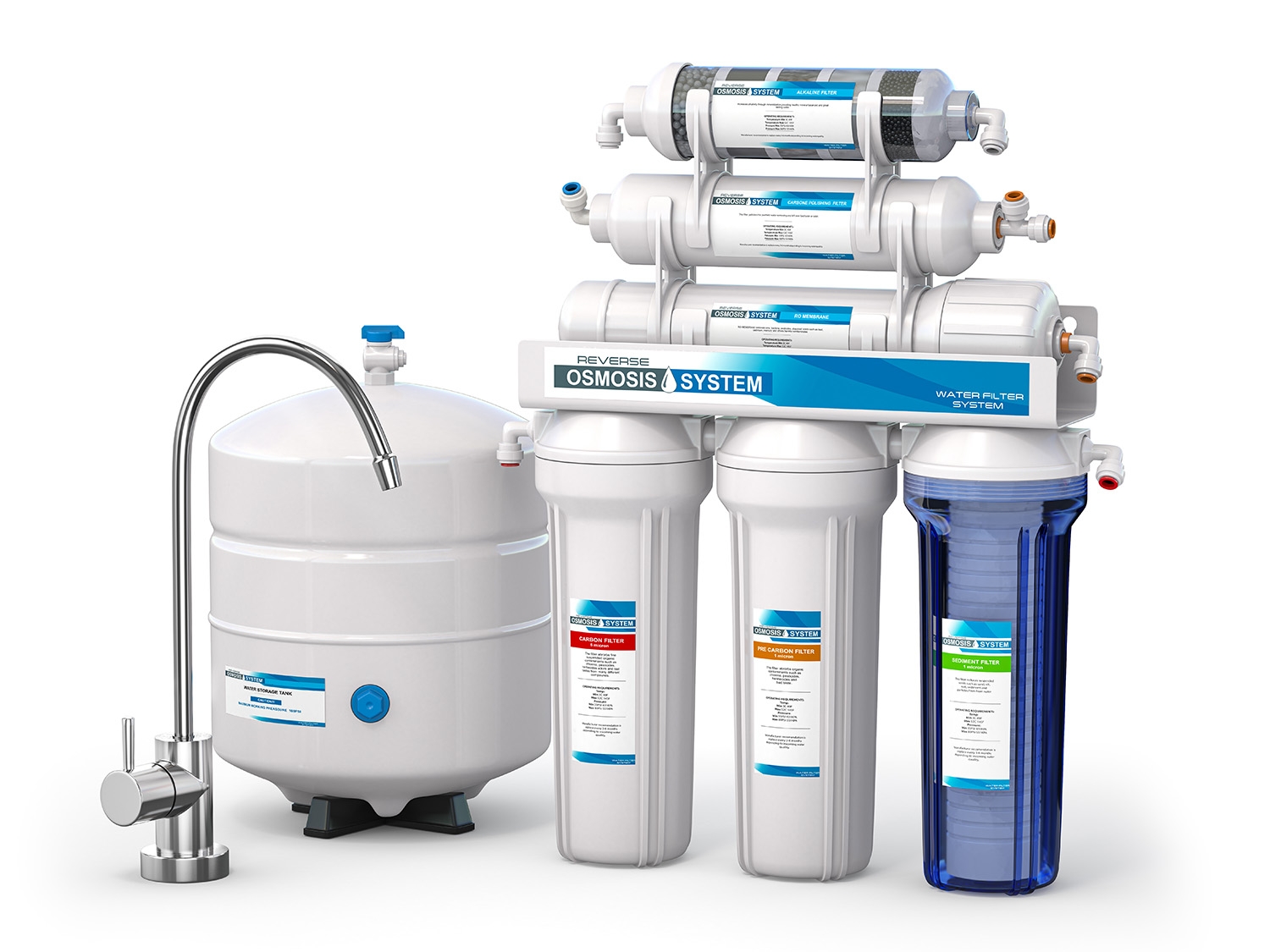 Reverse Osmosis Water Filter : Image Library : Interfuse
The Hidden Costs and Savings
Installation runs around $300 to $800, depending on whether you go under-sink or countertop. Replacement filter packs cost about $100 annually, which is less than a month of buying bottled water from the Newport convenience store. The environmental win is huge: skipping single-use plastics means fewer bottles washing up on Whale Beach during summer.
A common myth is that reverse osmosis wastes water. Older systems were thirsty, but modern units use a permeate pump that cuts waste down to a 1:1 ratio. That means for every glass you drink, only one glass goes down the drain—far better than the old 4:1 guzzlers.
Fun Little Facts to Impress at Parties
Did you know that reverse osmosis can remove up to 99% of all contaminants? That includes pharmaceutical residues and microplastics, which regular carbon filters laugh at. It’s also why astronauts on the International Space Station use a similar system to recycle their own sweat into drinking water—so yes, you’re basically hydrating like a cosmonaut with a beach tan.
Another quirk: RO water has a slightly lower pH than tap water, usually around 6.5 to 7.0. If you’re into alkaline water trends, don’t worry—you can add a remineralization stage that puts back calcium and magnesium for that alp-spring mouthfeel. Your call, hipster.
Connect It to Daily Life
On a hot Saturday after a morning swim at Freshwater, nothing beats pouring a tall glass of cold, filtered water that doesn’t taste like a chemical plant. It’s a small luxury that turns the ordinary act of hydrating into a ritual of self-care. You’ll find yourself drinking more, which is good for everything from skin to hangovers.
Think of it as an investment in your kitchen, your health, and your Monday morning sanity. When you’re rushing out the door with a reusable bottle in hand, you’ll know that every sip is as clean as the ocean—without the salty regret. That’s the Northern Beaches lifestyle at its finest.
So go ahead, swap that Brita pitcher for something with a little more backbone. Your taste buds, your plants, and the local environment will thank you. And next time a friend complains about the tap water at Dee Why, you can smile quietly, knowing your reverse osmosis system already fixed that problem before it even started.
