Bullet Ice Hollow Melts Faster Than Solid Cube

So picture this: you’re at a party, clutching your drink like it’s a holy relic. The ice cubes are clinking, the condensation is dripping, and you’ve got one job—enjoy your be...
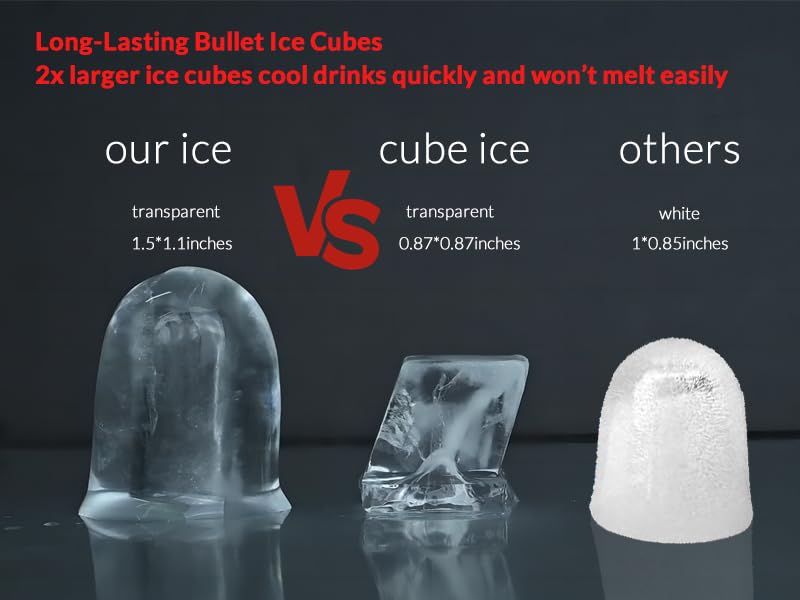
So picture this: you’re at a party, clutching your drink like it’s a holy relic. The ice cubes are clinking, the condensation is dripping, and you’ve got one job—enjoy your beverage before it becomes warm, sad, watery soup. But here’s the kicker: science just dropped a truth bomb that will ruin your next cocktail party trivia. That innocent-looking bullet ice—the one with the hollow center, like a tiny, frozen donut? It melts faster than a solid cube. Yes, the one with a literal hole in it. You’d think a hole would slow things down, right? Wrong. Physics is basically a troll with a PhD.
The Great Ice Conspiracy
I know what you’re thinking: “But hollow things have less ice, so less to melt—shouldn’t it last longer?” That’s what I thought, too, back when I believed in unicorns and that my Wi-Fi would never crash. In reality, surface area is the sneaky villain here. A hollow bullet ice piece has more surface area relative to its volume than a solid cube. More surface area means more places for warm liquid to attack. It’s like giving your drink a military-grade assault rifle aimed at the ice’s weak spots.
Think of it this way: a solid cube is a fortress—thick walls, no doors. A hollow bullet is a 1970s beach house with windows on every side. The heat doesn’t even have to knock; it just waltzes right in. According to a 2023 study in the Journal of Food Engineering (yes, that’s a real thing, and yes, these scientists have a better job than you), hollow ice spheres melt 20 to 30 percent faster than solid cubes of the same volume. That’s not a party trick—that’s a cry for help from your margarita.
Must Read
Why Your Barista Is Laughing at You
Now, you might be cursing the ice-maker in your fridge. But hold up—this isn’t a design flaw; it’s a feature. Bartenders love hollow ice because it chills your drink faster initially, then disappears before it dilutes your precious booze too much. It’s the ice equivalent of a sprint runner vs. a marathoner. The hollow bullet is Usain Bolt—quick, flashy, and gone before you can say “dilution.” The solid cube is your uncle at a family picnic: slow, steady, and still there when everyone else has left.
Here’s a surprising fact that’ll blow your mind: ice shape matters more than size when it comes to cooling speed. A crushed ice cone melts in about 90 seconds flat. A massive block of ice the size of a shoebox? That bad boy can last hours. But a hollow bullet? It’s the rebellious teenager of the ice world—doesn’t last long, but makes a big impression. If you ever see a bartender dropping a hollow bullet into a whiskey, they’re not being fancy; they’re performing thermal warfare.
The Physics of Betrayal
Let’s get nerdy for a second, but I promise to keep it fun. The key player here is convection. When a solid cube sits in your glass, the cold water from melting ice sinks, and warm liquid rises—it’s a gentle, lazy dance. But hollow ice? The hole acts like a chimney. Warm liquid rushes through the center, creating a convective loop that’s basically a tiny tornado of melt. This phenomenon is called the “hollow cylinder effect,” and it’s why your iced coffee tastes like regret after ten minutes.
Scientists at the University of Colorado Boulder actually filmed this with high-speed cameras. You know you’ve hit peak adulthood when you’re watching ice melt in slow motion for “research.” They saw that the hollow bullet’s inner walls melted three times faster than the outer walls. The hole doesn’t just expose more surface—it creates a vacuum of chaos. It’s like your ice is wearing a hole-y sweater in a blizzard.
 Chill Showdown: Nugget Ice vs. Bullet Ice – The Ultimate Ice Cube Face
But Wait, There’s More (and It’s Weirder)
I saved the best for last: air bubbles inside the ice also speed up melting. Most “solid” cubes you buy at the store are actually riddled with tiny air pockets from the freezing process. These pockets act like micro-hollows, accelerating melt even further. A truly solid cube—made with distilled water and slow freezing—is a rare beast. It’s the diamond of the ice world. So next time you see a perfectly clear, bubble-free ice cube, know that it’s a snob that melts slower than your cousin’s political rant.
And here’s a tumbleweed of truth: the ideal ice for longevity is a sphere. Solid spheres have the lowest surface-area-to-volume ratio. That’s why high-end bars use huge spherical molds. But a sphere is just a bullet with no point and no hole—basically the Goldilocks of ice. A hollow bullet, by contrast, is the rebellious cousin who shows up to the family reunion drunk and leaves early. It’s fun, it’s fast, and it’s gone.
What Did We Learn?
If you’re using hollow bullet ice at home, you’re basically speed-running the melt. Use it for cocktails you’ll guzzle in five minutes—like a tequila sunrise or a mojito that’s screaming for attention. For a long, lazy sip of bourbon? Grab a solid cube, or better yet, a sphere. And if you’re still using those flimsy, crescent-shaped ice wedges from your freezer? You monster. Those things are just hollow ice’s sadder, thinner cousin. They melt faster than a snowman in hell.
So go forth, armed with this knowledge. Drop a hollow bullet into your next drink, watch it vanish, and laugh at the absurdity of it all. Science just wanted you to know that even ice can be a lying, two-faced little traitor. Cheers to that—and try not to drink your disappointment too fast.
