Water Filtration In Food And Beverage Industry

You know that crisp, clean taste of your favorite cola? The one that hits just right on a hot afternoon? It’s not magic—it’s water filtration, working harder than your Wi-Fi r...
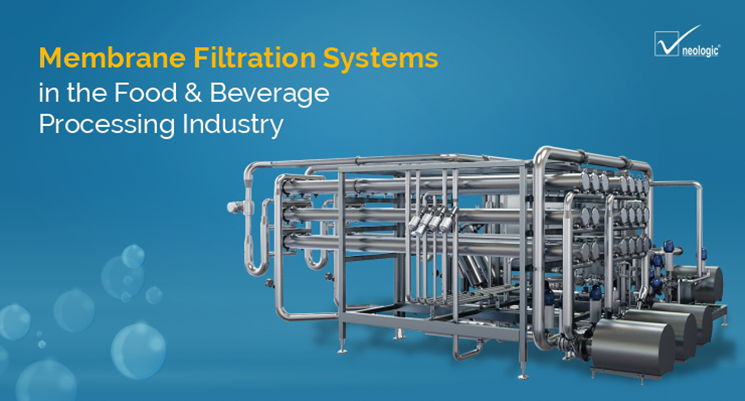
You know that crisp, clean taste of your favorite cola? The one that hits just right on a hot afternoon? It’s not magic—it’s water filtration, working harder than your Wi-Fi router during a Netflix binge.
Think about it: water is the soul of almost everything we drink and eat. From that morning coffee to the broth in your instant noodles, water makes up most of the product. If the water tastes funky, the whole thing goes down like a bad joke.
Why Should You Care About Industrial Water Filters?
Imagine making a salad dressing with swamp water. That’s basically what happens if a beverage company skips filtration. The result? A cloudy, nasty brew that tastes like your uncle’s old gym socks.
Must Read
So, the industry uses massive filtration systems to strip out everything—dirt, bacteria, chlorine, and even weird smells. It’s like giving the water a spa day, but with more pipes and less cucumber slices.
The "Silent Hero" of Your Soda Can
I once visited a brewery that had a water filter the size of a small car. The guide said, “This thing removes everything except H2O.” That includes dissolved minerals that make tap water taste like a petri dish.
Without these filters, your ginger ale would taste like a chemistry experiment gone wrong. You’d take one sip and think, “Did my soda just judge me?” Yeah, that’s the power of bad water.
How It Works (Without the Boring Manual)
First, there’s sediment filtration, which catches big stuff—like sand and rust. Think of it as a bouncer at a club, only letting in the good particles. Then comes carbon filtering, which sucks out chlorine and weird tastes.
Next, some fancy systems use reverse osmosis, which pushes water through a membrane so tiny, even a virus would need to hold its breath. It’s like trying to squeeze a beach ball through a straw—only water gets through.
Finally, UV light zaps any remaining germs. It’s the equivalent of giving water a tan from a high-tech sunlamp, but for killing bacteria, not for Instagram selfies.
What Happens When Filtration Fails?
A friend of mine once bought a craft soda that tasted earthy. Not in a cool, “farm-to-table” way. More like, “I just licked a garden hose.” Turned out, the small batch skipped proper carbon filtration.
That’s the risk: bad water turns a luxury product into a disappointment. You don’t want your premium sparkling water tasting like you boiled a fish in it. So the industry obsesses over every drop.
 Water Treatment Systems for Food & Beverage Use | RHFS Pulse
Everyday Life Connection
Now, think about your own kitchen. If you’ve ever used a Brita pitcher, you’re doing the same thing—just on a tiny, cute scale. Industrial systems are like your Brita’s older, gym-obsessed sibling.
When you chug an energy drink after a long day, the clean water is why it doesn’t make you gag. It’s why your canned iced tea tastes like a sunny porch, not a rusty pipe. That’s the connection you never notice.
Even The Weird Stuff Gets Filtered
Some companies filter water to remove specific minerals for consistency. For example, a coffee chain might strip out calcium to make every espresso shot taste exactly the same in Tokyo or Tulsa. It’s like cloning water, but legally.
And then there’s deionization, which removes charged particles. This water is so “pure” it actually tastes flat—so they add back a pinch of minerals for flavor. Yes, they take away stuff, then put it back. It’s like making your bed, then messing it up because it looked “too perfect.”
The Funny Part: We’re All Filter Snobs Now
Remember when you complained about “metallic” tap water at a restaurant? That was your tongue noticing iron and manganese. Industrial filters remove those, so your restaurant fountain soda doesn’t taste like coins.
Next time you grab a bottle of water, check the label. Often it says “purified by reverse osmosis.” That’s company-speak for “we bullied the water until it behaved.” And honestly? We’re all better for it.
A Final Pour
So, raise your glass (or can, or carton) to the humble water filter. It’s not glamorous, but it’s the reason your favorite soda doesn’t taste like a swimming pool.
And if you ever find yourself staring at a glass of cloudy iced tea, remember: somewhere, a giant filter is working overtime so you don’t have to taste the world. You’re welcome.
