Difference Between Water And Hydrogen Peroxide

Let’s be honest: you’ve probably stared at a brown bottle of hydrogen peroxide in your medicine cabinet and thought, “Isn’t that just spicy water?” Well, my friend, you are no...
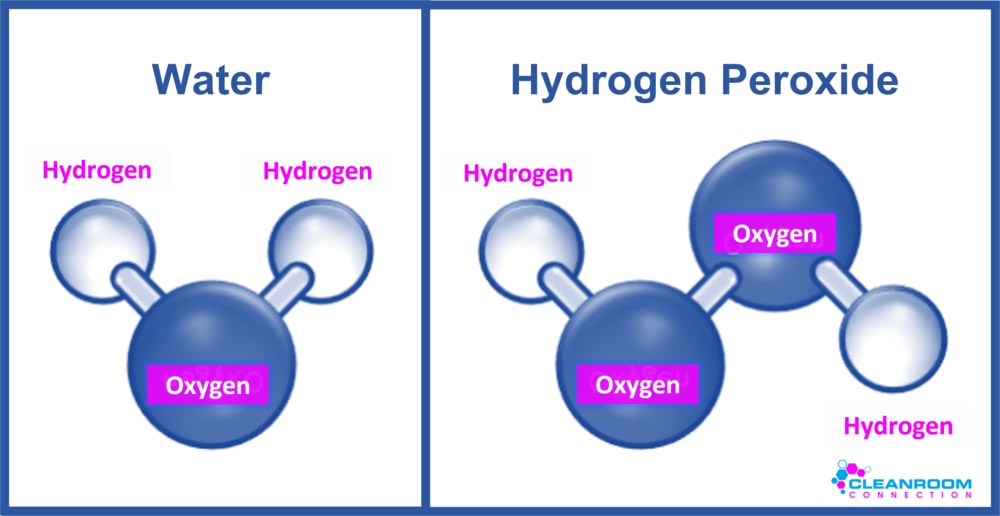
Let’s be honest: you’ve probably stared at a brown bottle of hydrogen peroxide in your medicine cabinet and thought, “Isn’t that just spicy water?” Well, my friend, you are not entirely wrong, but you are also not even close to right. Water and hydrogen peroxide look identical—both are clear, colorless liquids—but one will keep you hydrated, and the other will make your cut fizz like a bad science fair project gone rogue. Buckle up, because we’re about to dive into the chemical comedy that separates these two liquids.
The Chemical BFFs That Are Secretly Frenemies
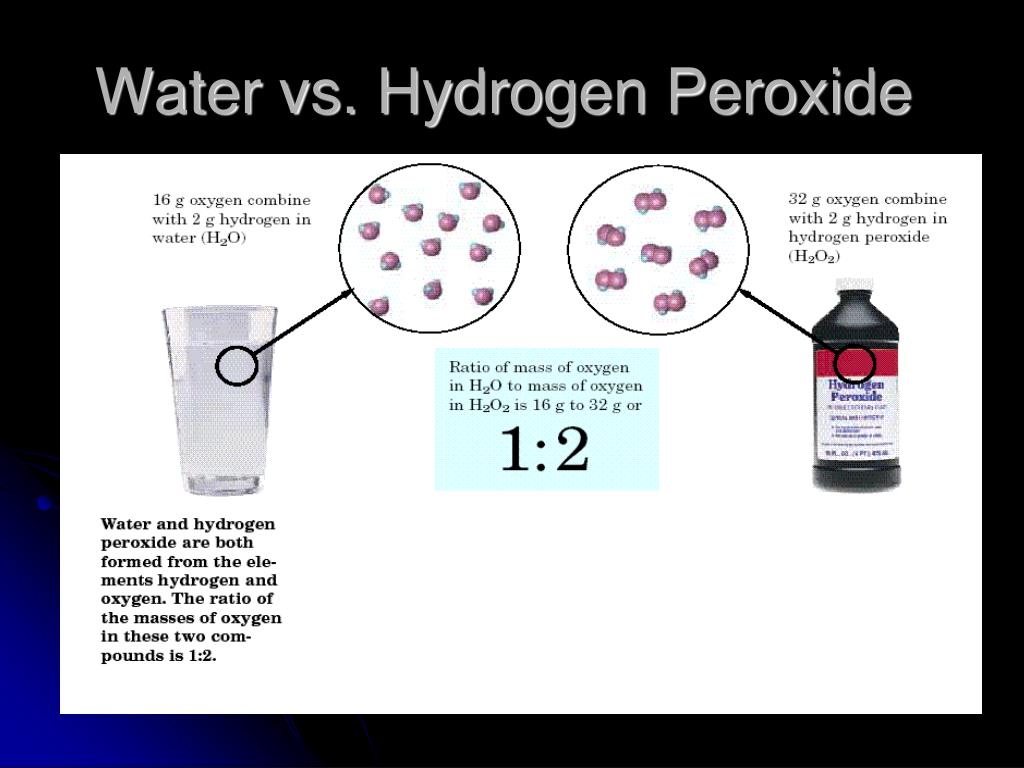
Here’s the nerdy bit, delivered with zero textbooks. Water is H₂O—two hydrogen atoms holding hands with one oxygen atom. Simple, reliable, boring in the best way possible. Hydrogen peroxide is H₂O₂—two hydrogens and two oxygens. That extra oxygen atom is the wild cousin who shows up uninvited and starts breaking things. That single oxygen makes hydrogen peroxide a reactive beast, while water just sits there being delicious.
Think of water as the calm, sensible friend who brings snacks to the party. Hydrogen peroxide is the friend who shows up with a bottle of something that’s technically safe, but then starts foaming at the mouth when you pour it on a wound. That’s not drama—that’s chemistry.
Must Read
Why One Fizzes and the Other Doesn’t
Pour water on a cut, and you get… wet skin. Pour hydrogen peroxide on a cut, and it erupts like a tiny volcano. What’s happening? Your blood and cells contain an enzyme called catalase, which breaks hydrogen peroxide into water and oxygen gas—fast. Those bubbles you see are pure oxygen escaping, like a fizzy soda, except it’s cleaning your wound by blasting out dirt and bacteria. Water does not do that. Water just looks at your cut and says, “Good luck, pal.”
Fun fact: if you ever spilled hydrogen peroxide on a mammoth (hypothetically—please don’t), the fizz would be legendary. Actually, catalase is in nearly every living thing, so even a potato will foam up if you pour peroxide on it. Yes, I’ve tried it. No, I wasn’t bored—I was inspired.
The Drinking Dilemma: Are You Thirsty or Fighting Bacteria?
If you accidentally drink water, congratulations—you’re still alive. If you accidentally drink hydrogen peroxide (especially the 3% household stuff), you’ll probably vomit, foam at the mouth, and feel like a human Pepto-Bismol commercial gone wrong. Never drink hydrogen peroxide. I cannot stress that enough, unless you want your insides to become a science experiment. The same extra oxygen that cleans your wound can tear up your digestive tract, because it creates oxygen gas inside your stomach. Ever seen a balloon inflate? That’s you now.
You might think, “Well, I buy food-grade hydrogen peroxide—that’s safe!” No, no, and no. Food-grade is typically 35% concentration, which is industrial-strength bleach-level dangerous. Diluting it yourself is like trying to defuse a bomb while blindfolded. Just stick to water for drinking, and save the peroxide for first aid or, you know, making your sink foam for fun.
 PPT - FAIR USE STATEMENT : PowerPoint Presentation, free download - ID
The Surprising Party Trick
Here’s a jaw-dropper: hydrogen peroxide can actually be used as rocket fuel. That’s right—rocket science isn’t just for rockets. When concentrated hydrogen peroxide decomposes rapidly, it releases superheated steam and oxygen, which can propel a spacecraft. Water does not do this, unless you count the steam from your morning coffee maker. So if you ever need to launch yourself from your backyard, grab a concentration above 90% and a fire extinguisher (and probably a lawyer).
Want another mind-bender? Hydrogen peroxide is found in nature—like in rainwater, where it helps clean the atmosphere. But don’t collect it in a cup and call it “natural spring water.” That’s just rain with a temper. And rain is already water, so please, just drink the tap stuff.
The Bottom Line: Treat Them Like Cousins, Not Twins
Water will save your life. Hydrogen peroxide will save your cut from infection, but then it will also bleach your favorite shirt if you’re not careful. They share two hydrogen atoms, but that extra oxygen makes all the difference. Think of water as the quiet librarian, and hydrogen peroxide as the librarian who spontaneously combusts while shushing you.
So next time you reach for that brown bottle, remember: it’s not just “angry water.” It’s a chemical whirlwind that cleans, fizzes, and could theoretically power a spacecraft. But please, do not drink it. Your mouth is not a rocket engine. Stick to the boring, beautiful, life-giving H₂O for that. Now go get a glass of water and laugh at this fact: you’re drinking something that’s 4.5 billion years old, and it’s still the safest thing in your home. Cheers to that.
