Average Lifespan Of A Residential Water Softener

Let’s be honest: your water softener isn’t exactly the star of your home. It’s the quiet, hardworking hero hiding in the basement or garage, fighting the good fight against li...
Let’s be honest: your water softener isn’t exactly the star of your home. It’s the quiet, hardworking hero hiding in the basement or garage, fighting the good fight against limescale and dry skin. But like every superhero, it has a retirement age. So, what’s the average lifespan of a residential water softener? Grab a cold one (hopefully not from the tap if it’s hard water), and let’s chat.
The Magic Number: 10 to 15 Years
Most water softeners will last you between 10 to 15 years. Think of it like a golden retriever—loyal, hardworking, and eventually needing a good rest. If you treat it right, you might squeeze out 20 years, but that’s the equivalent of a dog doing tricks at age 95. Impressive, but rare.
Why such a range? It depends on the brand, the water quality, and how much you’re asking it to scrub. A cheap model from the big-box store might start wheezing at year eight. A high-end unit? It could be humming along like it’s still 2012.
Must Read
The Stars of the Show: Resin Beads
The heart of your softener is a tank full of tiny resin beads. These little guys do all the heavy lifting, swapping nasty calcium and magnesium for cozy sodium. Over time, those beads get tired, cracked, or coated with gunk—like your favorite sponge after a month of dish duty.
Once the resin beads lose their mojo, your softener becomes a sad plastic box that does nothing. You can replace the resin for about $150–$300, which is like giving your hero a heart transplant. But do the math: if the rest of the unit is ancient, it’s often smarter to just buy a new sidekick.
The Frenemy: Your Water Supply
If you have extremely hard water (we’re talking over 15 grains per gallon), your softener is basically running a marathon every day. It will wear out faster. Salt bridges, iron sludge, and sediment are the villains here.
On the flip side, if your water is only mildly hard, your softener might outlive your car. It’s all about the stress you put on the poor machine. Imagine if you had to run a marathon every day—you’d probably retire earlier than a desk jockey, right?
Maintenance: The Secret Sauce
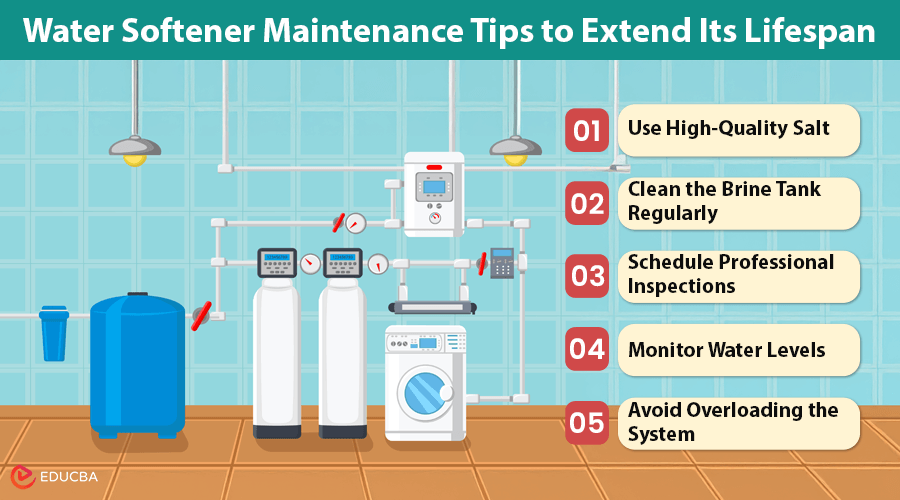
Here’s the truth: most water softeners die from neglect, not old age. You can easily double its lifespan with a little TLC. Clean the brine tank every year. Use clean salt (not that dusty, clumpy stuff). Check the valve for leaks.
Ignore it, and you’ll be shopping for a new one while muttering “I should’ve used resin cleaner.” Honestly, ten minutes of love per year beats a $600 replacement any day. Treat your softener like a pet, not a paperweight.
The Signs It’s Time to Say Goodbye
When your water softener starts acting up, it’s like a grumpy old relative dropping hints. You’ll see hard water spots on glasses again. Your shower will feel like you’re rinsing with concrete. The softener might leak or make noises like a dying robot.
If you’re constantly refilling salt and nothing changes, the resin is likely toast. Or the valve control head has fried itself. That’s like your TV remote losing all buttons—time for a new one, pal.
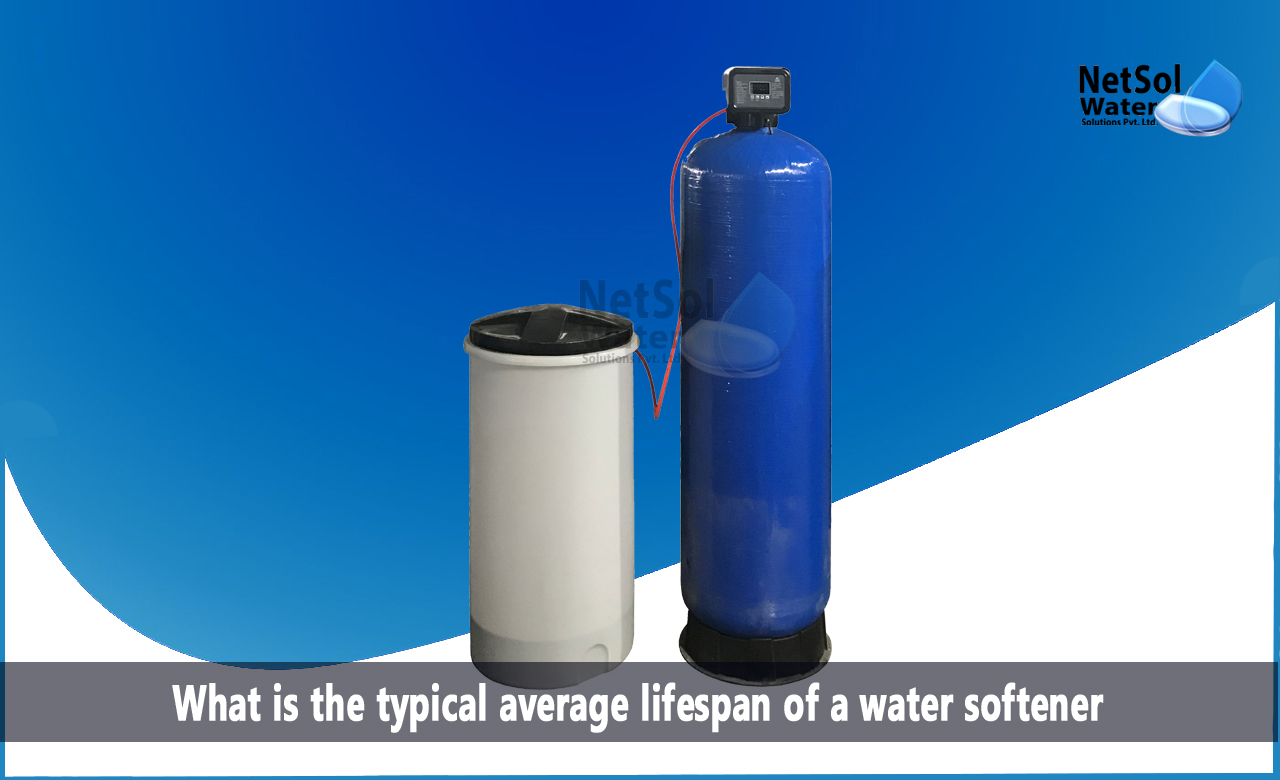 How durable are Water Softeners - Netsol Water
The Cost of a New Pal
A decent water softener costs between $400 and $1,200, depending on size and features. Installation might add another $150–$500. Yeah, it’s not pocket change. But compare that to the cost of replacing water heaters, faucets, and appliances destroyed by hard water—it’s a steal.
Plus, you get silky hair and spotless dishes. That’s worth at least a few hundred bucks in happiness, right? Soft water is like a spa day for your whole house.
Can You Push It Past 20 Years?
Yes, but with a few caveats. Some people inherit a softener from the 1990s that still works. Usually, that’s because it’s a rugged, mechanical model with no computers. The new digital ones are smarter, but they can fry a circuit board and leave you scratching your head.
If you want to hit that 20-year mark, invest in a quality brand like Kinetico, Fleck, or Clack. And accept that you might need to replace the valve seal or O-rings along the way. Think of it as Viagra for your softener—keeps it up longer.
What About Salt-Free Systems?
Oh, you meant a salt-free water conditioner? Those are a different beast. They don’t actually remove hardness; they just mess with the minerals so they don’t stick. They can last 15 to 20+ years because there’s no resin to wear out. But they’re not a true softener for serious hard water.
It’s like choosing between a gym membership (salt softener) and a magic pill that makes you feel less guilty about eating pizza (salt-free). Both have their fans. For most folks, the classic salt-based system is the tried-and-true champ.
The Uplifting Conclusion
So here’s the takeaway: your water softener is a workhorse with a limited warranty from the universe. Give it good salt, a clean tank, and a little attention, and it’ll love you back for a decade or more. When it finally clocks out, don’t be sad—celebrate!
Think of it this way: every time you replace a water softener, you’re upgrading to a smarter, more efficient model. Your new unit will probably use less salt, save more water, and make your morning shower feel like a cloud. Your future self will thank you every time you wash a glass and it sparkles like a diamond. Cheers to soft water, happy appliances, and a home that feels a little bit like a hug. Now go rinse off that limescale and smile—you’ve got this!
