How Long Should Water Be Boiled To Kill Bacteria

The other day, my buddy Dave called me in a panic. He’d just hiked up a mountain, ran out of bottled water, and was staring at a stream that looked like it had seen better day...
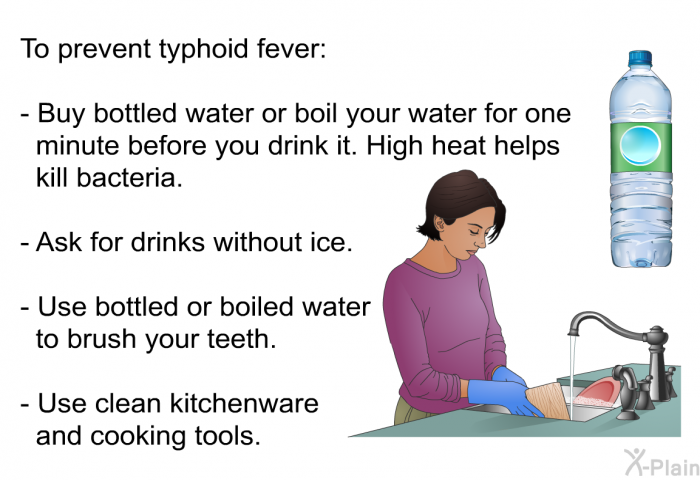
The other day, my buddy Dave called me in a panic. He’d just hiked up a mountain, ran out of bottled water, and was staring at a stream that looked like it had seen better days. “Can I just boil the heck out of this for ten minutes?” he asked, clearly hoping for a quick yes.
I had to break it to him: boiling water is not a marathon. It’s a sprint. You don’t need ten minutes, or even five. You might be shocked at how little time it actually takes—and that’s the part everyone gets wrong.
The Magic Number: It’s Shorter Than You Think
Here’s the hard truth: one minute of a rolling boil is enough to kill most bacteria, viruses, and protozoa. Yes, you read that right—just sixty seconds.
Must Read
At sea level, water boils at 212°F (100°C). At that temperature, the cellular walls of bacteria literally explode. It’s not a gentle process—it’s a microbial apocalypse.
But wait—what about those streams at high altitude? Good catch. That is where the story gets tricky.
High Altitude: The Rule Breaker
Water boils at lower temperatures as you climb. At 10,000 feet, it’s bubbling away at a measly 194°F. That’s hot enough for tea, but not hot enough to kill everything quickly.
If you’re above 6,500 feet (2,000 meters), bump that boil time to three full minutes. It’s not rocket science, but it’s the difference between a clean drink and a date with diarrhea.
So, Dave was partly right—longer boils matter, but only when your stove is gasping for air.
But What About "Killing Everything"?
Here’s the ironic part: most people overboil because they’re scared of all microbes. But boiling is a blunt instrument. It obliterates bacteria (like E. coli and cholera), viruses (hepatitis A, norovirus), and protozoa (giardia, cryptosporidium).
Crypto, though—that little beast is a tough nut. It’s a parasite with a hard shell. Even the CDC says boiling for one minute kills it, but only if you hit a full, vigorous boil. No lazy bubbles.
So no, you don’t need to boil for twenty minutes to get “sterile” water. That’s just wasted fuel and time—and your camping stove thanks you.
What Boiling Won’t Fix
Now, a side comment: boiling won’t remove chemicals, heavy metals, or sediment. If that stream looks like chocolate milk, boiling just makes hot, chocolaty poison. You’ll need a filter for that.
Also, botulism spores? They laugh at boiling. Those little spores need temperatures above 250°F (121°C) to die, which only a pressure cooker can achieve. But don’t panic—botulism is rare in surface water.
So the takeaway: boiling is for biological baddies, not for chemistry class.
 How long you must boil drinking water to Kill Bacteria
The "Boil Off" Myth
Ever heard someone say, “Boil it until half the water is gone”? Please don’t. That’s a dangerous old wives’ tale. Evaporating water doesn’t kill more germs—it just concentrates minerals and toxins.
You’ll end up with super-brewed bacteria-free sludge. Not the goal. Boil for the right time, then drink it—don’t turn your pot into a science experiment.
And hey, let’s be real: boiling water for ten minutes also wastes your precious fuel. In a survival situation, that fuel is gold.
Your Boiling Cheat Sheet
Here’s the quick version: 1 minute at sea level, 3 minutes above 6,500 feet. That’s it. No more, no less.
If your water is clear (or you’ve filtered it first), you’re golden. If it’s murky, filter it through a cloth first—then boil.
And for the love of all that is clean, let it cool before drinking. Trust me, burnt tongues don’t care about bacteria.
Why This Matters in Real Life
Last month, a friend of mine got giardia from “mountain fresh” water because she only heated it to “pretty hot.” She spent two weeks regretting that decision in a very, um, explosive way.
Don’t be like her. Use a thermometer or just watch for a rolling boil. If you see big, constant bubbles, set your timer. One minute. Three minutes if you’re high up.
And if you’re ever in doubt? Boil it for a full three minutes regardless. It’s a safe-overkill that won’t ruin your water, just your patience.
The Final Irony
Here’s the funny thing: we obsess over boiling times, but the biggest risk isn’t under-boiling—it’s recontamination. You boil the hell out of your water, then pour it into a nasty cup or touch the rim with dirty hands. Facepalm.
So after boiling, store it in a clean container. Keep your fingers out of it. That’s the real hack.
Dave finally understood. He boiled his water for three minutes (he was at 8,000 feet), and lived to tell the tale. His only complaint? “It tasted flat.” Well, Dave, that’s what oxygen-poor boiled water tastes like. Pour it between two cups to aerate it—or just drink it and be thankful you’re not pooping your guts out.
