Advance Disinfection Technology For Water Treatment

We’ve all been there: standing in the kitchen, staring at a glass of tap water, wondering if it’s safe or if it tastes like a swimming pool. For decades, our relationship with...
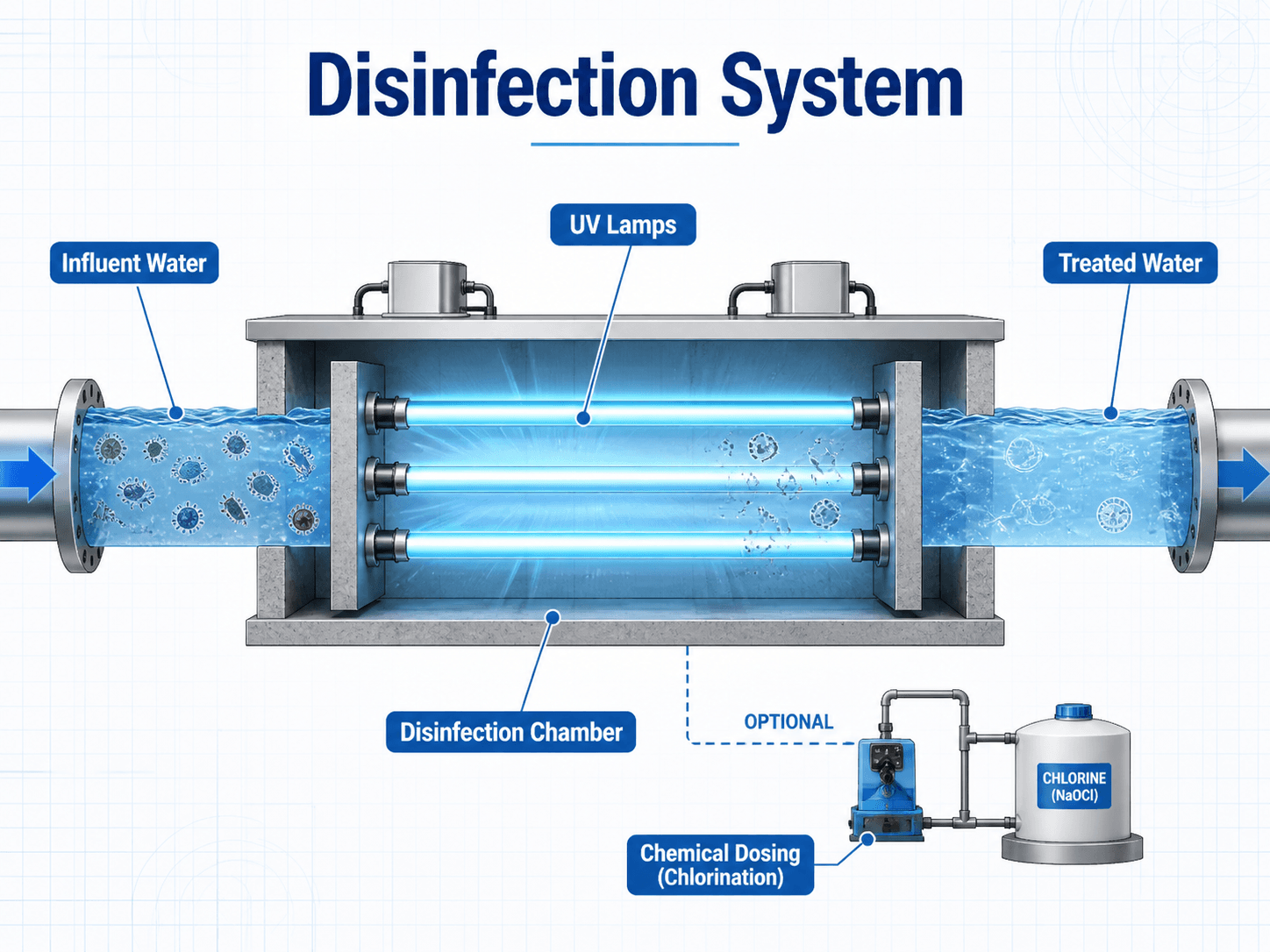
We’ve all been there: standing in the kitchen, staring at a glass of tap water, wondering if it’s safe or if it tastes like a swimming pool. For decades, our relationship with water has been a bit of a trust exercise—chlorine vs. our taste buds, with the occasional news report about a boil order. But the game has changed. Advanced disinfection technology is quietly revolutionizing water treatment, making your H2O cleaner, tastier, and smarter than ever before. Think of it as the upgrade from a flip phone to a smartphone for your plumbing.
The End of the Chlorine Era
Let’s be honest: chlorine has done its job since the early 1900s, saving millions from cholera and typhoid. It’s the reliable, slightly grumpy aunt of water treatment—effective but with that chemical aftertaste and a talent for forming disinfection byproducts (DBPs) that scientists aren’t thrilled about. The new wave of tech is all about precision and elegance. Ultraviolet (UV) light, for instance, zaps pathogens in seconds without adding anything to your water. It’s like a spa day for your tap, minus the cucumber slices.
Then there’s advanced oxidation processes (AOPs), which combine UV with hydrogen peroxide or ozone. This creates a powerful hydroxyl radical that annihilates even the most stubborn contaminants—pharmaceuticals, pesticides, microplastics. Fun fact: hydroxyl radicals are the same molecules that a lightning strike naturally produces to purify rainwater. So yes, your water system is basically channeling Thor.
Must Read
The Cool Kids on the Block
If you’re a sci-fi fan, meet electrochemical disinfection. It uses electrodes to generate reactive species that kill bacteria and viruses right at the tap. Imagine a tiny, silent lightning storm in your pipe. In Japan, this tech has been used in hospitals for years, and now it’s creeping into smart home systems. Practical tip: If you’re a renter, look into countertop UV purifiers that look like sleek coffee makers—no installation required.
Another rising star is membrane filtration with UV-LEDs. These systems are small enough to fit under a sink and use ultra-efficient light-emitting diodes that last for years. They’re also more sustainable than traditional mercury lamps. In fact, UV-LEDs were pioneered for space missions—NASA used them to purify water on the International Space Station. So, every time you pour a glass, you’re channeling a little bit of The Martian vibe.
Why Your Taste Buds Will Thank You
One of the biggest wins with advanced disinfection is the flavor profile. Without chlorine or chemical residues, water tastes like, well, water—crisp and neutral. That’s why high-end restaurants and craft coffee shops now install UV-AOP systems. They know that even a hint of chemical taste can ruin a pour-over. Practical tip: If you notice a metallic or plastic-like taste from your usual filter, switch to a UV-enabled pitcher. Your morning brew will suddenly taste like Kyoto.
Also, let’s talk about the environment. Traditional water treatment plants consume massive energy for pumping and chemical delivery. Advanced systems like reactive electrochemical membranes use up to 40% less energy while achieving higher kill rates. That’s Bezos-level efficiency without the carbon footprint. It’s a small win that adds up to a big difference when you consider that the average person uses over 80 gallons of water a day.
A Little Science, A Little Pop Culture
You know the scene in Back to the Future where Doc Brown pours whiskey into the DeLorean’s flux capacitor? That’s basically how plasma disinfection works—using high-voltage electricity to turn water into a temporary plasma state that annihilates pathogens. It sounds like science fiction, but it’s already being tested in rural communities in India where electricity is unstable. The machines run on batteries charged by solar panels. So, clean water without the grid? Yes, please.
 PPT - Advancements in Water Treatment & Management Exploring Advanced
Another fun fact: ultrasonic disinfection uses high-frequency sound waves to make bacteria vibrate until they split apart. Imagine a heavy metal concert for your microbes. This tech is popular in swimming pools and spas because it reduces the need for harsh chemicals. Your next dip might be more about sound waves than chlorine fumes.
Practical Tips for the Everyday Hero
So how do you bring this into your kitchen without becoming a chem engineer? First, check your local water report. If your municipality already uses UV or Ozone, you’re ahead of the curve. If not, consider a point-of-use UV reactor that connects to your faucet. Brands like Viqua and AquaSun make models that are smaller than a loaf of bread and cost about the same as a good espresso machine. Pro tip: Look for models with an automatic shut-off and a quartz sleeve cleaning function—less maintenance, more peace of mind.
Second, think about your water habits. If you’re a kombucha brewer, advanced disinfection can ensure your starting water is free of clashing microbes. If you have a baby at home, a UV-LED bottle purifier can work wonders on-the-go. And if you’re just tired of buying plastic bottles, a whole-house UV system can cut your waste to zero. Simple swaps, big impact.
The Cultural Shift
We’ve reached a moment where water is no longer just a utility—it’s a wellness statement. In Seoul, smart home systems display your water’s purity on a digital screen. In Copenhagen, public drinking fountains offer UV-treated sparkling water for free. The new normal is this: water that is as clean as it is effortless. It’s the silent partner in your health, your cooking, and even your skincare (hard water causes breakouts, and UV-softened water is a game-changer for acne-prone skin).
And let’s not forget the cultural references. The ancient Romans built aqueducts; we build water apps. The Mayans revered cenotes as sacred; we install UV filters in our vacation homes. Technology is just our modern version of ritual: a quiet trust in the invisible systems that keep us safe.
A Final Reflection
As you read this, think about the last time you truly appreciated a glass of water. Not because you were thirsty, but because it felt pure. Advanced disinfection technology turns that fleeting moment into everyday reality. It’s not about making water taste like a mountain spring—it’s about removing all the excuses we had for drinking less of it. So, raise your next glass with a quiet nod to the UV rays, the sound waves, and the tiny lightning storms working behind the scenes. Your water is smarter than you think. And honestly? That’s a pretty cool thing to sip on.
