Difference Between Drinking Water And Distilled Water

Alright, let’s talk about water. It’s wet, it’s necessary, and honestly, it’s kind of everywhere. But wait—there’s regular drinking water and then there’s this mysterious, sci...
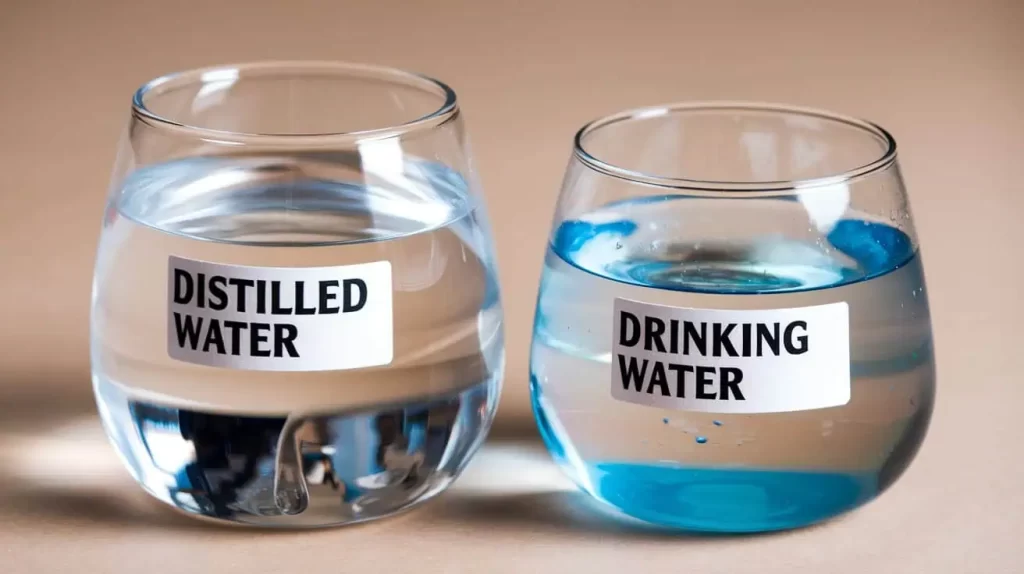
Alright, let’s talk about water. It’s wet, it’s necessary, and honestly, it’s kind of everywhere. But wait—there’s regular drinking water and then there’s this mysterious, science-lab-sounding stuff called distilled water. Are they the same? Spoiler alert: Not even close, and the difference is both hilarious and surprisingly important.
First, think of drinking water as that friendly, slightly chaotic friend who comes with a little bit of everything. Tap water, filtered water, spring water—it’s all got minerals like calcium and magnesium, plus sometimes a tiny pinch of chlorine for safety. It’s like a mineral smoothie for your body, and your taste buds are usually cool with it.
Now, distilled water is the introvert of the water world. It’s been boiled into steam, then cooled back into liquid, leaving everything else behind—minerals, impurities, and even your hopes for a little flavor. It’s so pure it’s practically naked. No trace of calcium, no hint of magnesium, just H₂O being its most boring, flawless self.
Must Read
Why does this matter? Let’s get into the science (but keep it fun).
Drinking water is like the all-you-can-eat buffet of hydration. It’s got minerals your body actually uses—like for your bones, your muscles, and your mood when you’re hangry. Your body loves it because it’s basically a free health supplement you didn’t have to pay extra for.
Distilled water, on the other hand, is like eating a plain rice cake. It’s okay for hydration, but it’s so stripped-down that it can actually pull minerals out of your body if you chug it all day. Yes, really. It’s like that friend who shows up to a potluck with only a bag of ice—technically helpful, but not exactly a meal.
So, when do you use distilled water? (And when do you run away from it?)
Distilled water is the hero of your kitchen appliances. Use it in your iron, your humidifier, or your car battery—because minerals in regular water can leave crusty white deposits that look like a science experiment gone wrong. (Your iron doesn’t need a spa treatment, folks.)
It’s also great for lab experiments, baby formula, and CPAP machines, where impurities are the enemy. But for daily drinking? Most health experts say skip it. You’d be missing out on those small but mighty minerals, and nobody wants to feel like they’re sipping on a ghost.
Drinking water from your tap? That’s the MVP for your everyday thirst. It’s cheap, regulated, and packed with things your body already knows how to use. Just don’t stare at it too long or it’ll start judging your life choices.
The taste test: Will your tongue notice the difference?
Oh, absolutely. Drinking water has a taste—a little bite from minerals, maybe a faint earthiness from spring sources. It’s like a mild conversation for your mouth. Distilled water? It tastes… empty. Some people say it’s flat or weird, like drinking a cloud that forgot its personality. Weirdly, if you’re used to tap water, distilled can feel like you’re sipping on nothing—which is exactly what it is.
I once dared a friend to a blind taste test. He spit out the distilled water and said, “This tastes like loneliness.” I’m not making that up. True story.
 How to Fill a Humidifier: Quick Steps
Health stuff: Is distilled water dangerous?
Not dangerous, but not ideal for everyday hydration. Drinking it long-term without getting minerals from food can mess with your electrolyte balance. Think of it like wearing a t-shirt in a snowstorm—it’ll work, but you’ll be cold and sad. Your body deserves better.
But hey, if you’re on a juice fast or doing a detox thing, a day of distilled water won’t hurt. Just don’t make it your main squeeze. Balance is key, and that’s true for water, pizza, and life in general.
The Cost Factor: One is a deal, the other is a flex.
Drinking water from your tap costs pennies a day. It’s the budget-friendly choice that gets the job done. Bottled water? That’s a little pricier, but still reasonable—unless you’re buying Fiji water for your cat. (No judgment. Maybe your cat has standards.)
Distilled water is often more expensive because it takes energy to boil and condense. You’re paying for that purity, like buying a fancy black turtleneck—it looks cool, but nobody really knows why you need it. For most of us, it’s a specialty item, not a daily driver.
In the end, it’s about the job you need done.
Think of drinking water as your everyday best friend—reliable, full of good stuff, and always there when you’re thirsty. Distilled water is that overly-prepared friend who shows up with a backup power bank and a first-aid kit. You love them, but you don’t need them for a picnic.
So here’s the scoop: drink tap or filtered water for your health. Save distilled water for your coffee maker, your iron, or that weird experiment you’re doing with a potato and a lightbulb. Your body will thank you, your appliances will thank you, and you’ll have one less thing to overthink.
Conclusion time, and I’m keeping it smile-worthy. Life is full of choices—vanilla or chocolate, socks or sandals, drinking water or distilled water. But here’s the beautiful truth: you’re already doing great. You care enough to learn the difference, and that means you’re hydrating with intention. Keep drinking what makes you happy, laugh at the weird taste tests, and remember—whether it’s fancy or from the tap, water is basically magic that keeps you alive. So go grab a glass, toast to yourself, and smile: you’ve got this hydration thing down. Cheers, my water-wise friend! 🥤
