Leading Water Softening Systems For Commercial Operations

So, my friend Dave, who runs a bustling craft brewery, called me the other day. He was practically in tears—not from the joy of a perfect IPA, but from the calcium scale that...
So, my friend Dave, who runs a bustling craft brewery, called me the other day. He was practically in tears—not from the joy of a perfect IPA, but from the calcium scale that had just destroyed his expensive new kettle. “It looks like a stalactite cave in there,” he moaned. That’s when I had to break it to him: hard water is the silent killer of commercial operations, from coffee shops to car washes. And that’s the story of why we’re diving into the leading water softening systems for the big leagues.
Why Your Business is Begging for Soft Water (Really, It Is)
Hard water isn’t just a nuisance; it’s a budget terminator. Every grain of calcium and magnesium is like a tiny sandpaper grain, wearing down your water heaters, boilers, and dishwashers. You end up spending more on energy bills (because scale insulates heat) and replacing equipment way before you should. Fun, right? Not quite.
But here’s the kicker: your customers notice. A coffee shop with cloudy espresso machines? A hotel with spotty showerheads? Nobody wants that. Soft water means better tasting drinks, clearer ice, and spot-free glassware that actually looks clean. It’s the unsung hero of customer satisfaction.
Must Read
The Heavy Hitters: Systems That Mean Business
1. The Twin-Tank Titan (For When Downtime is Your Enemy)
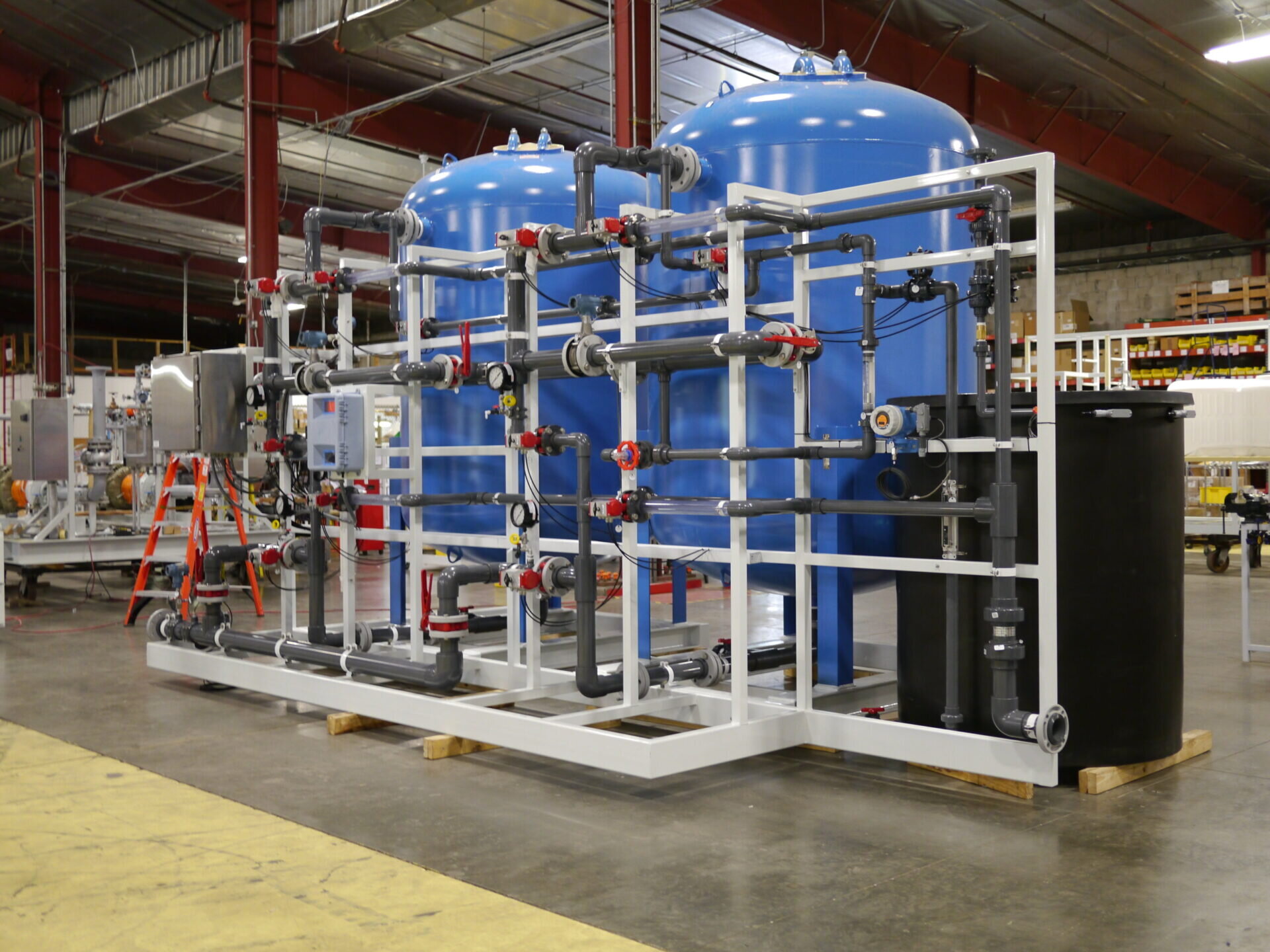
Imagine a system that never, ever takes a nap. That’s the twin-tank (or duplex) softener. One tank softens water while the other regenerates, so you have a continuous flow of soft water, 24/7. This is the go-to for hospitals, laundromats, and any operation that can’t afford a drop in water pressure mid-cycle. It’s the overachiever of the group, and we love it for that.
The downside? It’s bigger and pricier upfront. But if your business runs around the clock, that upfront cost pays for itself in avoided headaches. Just remember: more tanks = more floor space. Plan accordingly.
2. The High-Flow Single Tank (The Workhorse)
This is your classic, reliable choice for mid-sized operations—think restaurants, small hotels, or office buildings. It uses a single tank and regenerates during off-hours (like 2 AM, when no one is washing dishes). Simple, efficient, and proven. It doesn’t try to be fancy, but it gets the job done without breaking the bank.
Watch out for one thing: you need to calculate your peak water usage. If you have a sudden rush (brunch service, anyone?) and the tank hits capacity right then, you’ll get a temporary blast of hard water. A good supplier will help you size it properly so this never happens.
3. The Eco-Minded Marvel (The Green Machine)
Some systems are now using metered demand instead of timers. Instead of regenerating on a schedule, they only regenerate when they’ve actually softened a set amount of water. This can cut your salt and water waste by up to 50%. If your business has a sustainability pledge (or you just hate wasting resources), this is your hero.
These often come with smart controllers that you can monitor from your phone. Yes, you can check your water softener while you’re on vacation. Welcome to the future. Just be ready for a slightly higher purchase price, though the savings on salt often balance it out in a year or two.
 Commercial and Industrial Water Filtration & Softening Systems
The Nitty-Gritty: What You Actually Need to Look For
Don’t just grab the shiniest box off the shelf. First, get a water test—know your hardness in grains per gallon (GPG). A system rated for 30,000 grains won’t cut it if your water is a brutal 50 GPG. Size matters more than brand name, folks.
Next, think about your flow rate. A restaurant might need 20 gallons per minute during a dinner rush, while a small office might only need 5. If you undersize the flow, your pressure drops and you get angry staff. Oversize it, and you’re just wasting money on a system that never works hard enough.
Also, check the warranty. Commercial softeners take a beating. Look for at least a 5-year warranty on the tank and a 1-year on the control head. And for the love of your plumbing, get a system with a bypass valve—so you can still have water when you’re servicing the unit.
A Few Final Cautions (Because I Care)
Beware of the “one-size-fits-all” sales pitch. A softener for a car wash needs to handle iron and manganese differently than one for a bakery. If you run a facility that uses high-temperature water (like a commercial kitchen), you need a system built for hot water—not just a residential unit with a sticker slapped on it.
Lastly, don’t forget maintenance. Even the best softener needs salt refills and periodic cleaning. Set a calendar reminder, or better yet, sign up for a service contract. Your future self—and Dave’s brewery—will thank you.
So, whether you’re fighting stalactites in a kettle or just want spotless windows, the right system is out there. Do your homework, get that water test, and choose a system that grows with your business. Now go make some soft water memories.
