How Long Does It Take Uv Light To Kill Bacteria

Let’s be honest—bacteria are not exactly the life of the party. They lurk on your phone, your kitchen sponge, and that suspicious spot on the cutting board. But here’s the fun...
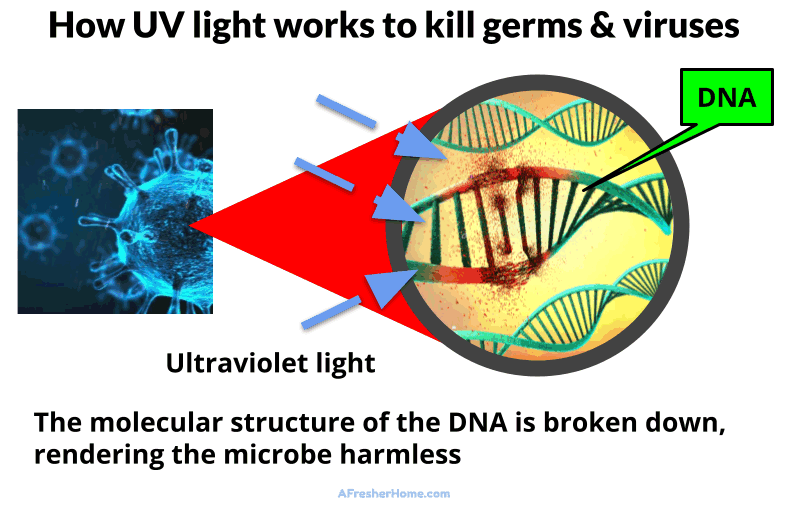
Let’s be honest—bacteria are not exactly the life of the party. They lurk on your phone, your kitchen sponge, and that suspicious spot on the cutting board. But here’s the fun twist: you can zap them into oblivion with a beam of ultraviolet light. Yes, the same stuff that gives you a sunburn can be a tiny, invisible superhero for your home!
So, how long does it actually take?
It’s not a magic wand—UV light needs a little time to work its germ-killing mojo. Most household UV devices will nuke about 99.9% of bacteria in just 10 to 60 seconds of direct exposure. That’s faster than you can microwave popcorn!
But wait—direct exposure is the secret sauce. If the bacteria are hiding under a smudge, inside a crack, or behind a bit of dust, the light can’t reach them. Think of it like a sunbather: you need to be in the sun to get a tan, not under an umbrella.
Must Read
The sneaky variables that change the timer
Not all UV light is created equal. UVA is weak sauce for germs, while UVB does some damage. The real star? UVC light—it’s high-energy and shreds bacterial DNA in a blink. A full-on UVC lamp can kill E. coli on a surface in about 5 to 20 seconds.
Distance matters too. Hold the lamp an inch away? Super fast. Hold it three feet away? Now we’re talking minutes, not seconds. The bacteria are basically squinting and saying, “Is that all you got?”
Type of surface is another player. Smooth, glass-like surfaces let UV light bounce and cover more ground. Porous stuff like wood or fabric? The light gets lost in the crevices, so you might need several minutes—or accept that some bugs will survive.
Wait—does this mean I can just buy a UV wand and go wild?
Not so fast, fellow germ-hunter! The fun part is that UV light is incredibly cool, but the responsible part is knowing its limits. A wand you wave for two seconds over a counter? That’s like waving a match over a campfire—looks great, but nothing really catches. You need a steady, still exposure for the full time.
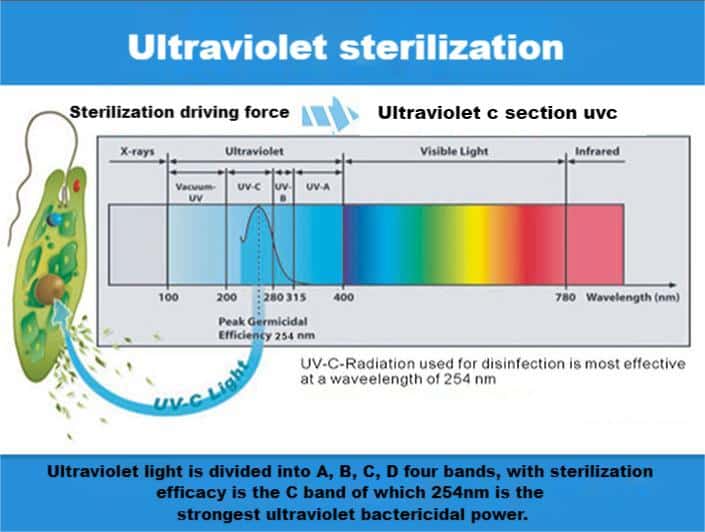 Germicidal Ultraviolet Light For Water 3W Submersible Aquarium UV
Also, UVC light can hurt your eyes and skin—so never look directly at the lamp or point it at people. Treat it like a grumpy cat: admire what it does, but don’t stare into its face. Most devices come with safety sensors that shut off if tilted—thank you, smart engineering!
Real-world wins: where UV light makes life more fun
Picture this: you drop your phone in the toilet. (Don’t lie, we’ve all panicked.) A quick UV sanitizer box can make it germ-free in under a minute. Dinner party? Pop your cutting boards, kitchen tools, or even your toothbrush into a UV cabinet. Boom—you’re the host with the most, and nobody gets salmonella.
Even your workout mat gets a fresh start. Sweaty yoga vibes? A few minutes under UV light, and it smells like clean, bacteria-free confidence. You’ll feel like a lab technician with superpowers—minus the white coat.
But wait—does it kill everything?
Ah, the million-dollar question. UV light is amazing at destroying bacteria (especially the active, wimpy ones). But some bacteria form spores—tiny, armored time capsules that laugh at UV. For those tough guys, you need longer exposure, like 5 to 30 minutes, or a combo of heat and UV. Think of it as the boss battle in a video game.
 How Long Does It Take for UV Light to Kill Bacteria in Water? - CleanseHive
Viruses? They’re trickier. UV can knock them out too, but often needs more time (up to several minutes) because they’re smaller and hide in droplets. The takeaway: UV is a powerful sidekick, not a superhero. Pair it with soap and water for the ultimate clean team.
The inspiring truth: you’re already a germ-busting genius
Here’s the uplifting note: knowing how long UV light takes means you can control your environment with science. You’re not just guessing—you’re timing. You’re a detective of disinfection. That’s pretty rad.
So go ahead, buy that UV sanitizer box or wand. Learn its sweet spot (10 to 60 seconds, remember?). Experiment on a phone case or a fork. And when your friends marvel at your germ-free phone, you can casually say: “Oh, just a minute of UVC—simple physics.” Smile. You’re the coolest germ-killer on the block.
Stay curious, stay clean, and keep shining—literally. The more you learn about this invisible light, the more fun cleaning becomes. And who wouldn’t want a little extra joy in a world full of microbes?
