What Is The Most Common Disability In The Uk

Ever stopped to think about what the most common disability in the UK actually is? It’s not what most people guess, and that’s where it gets really interesting. We often pictu...

Ever stopped to think about what the most common disability in the UK actually is? It’s not what most people guess, and that’s where it gets really interesting. We often picture wheelchairs or white canes, but reality is a lot more hidden—and way more common than you’d think.
The surprising answer: it’s invisible
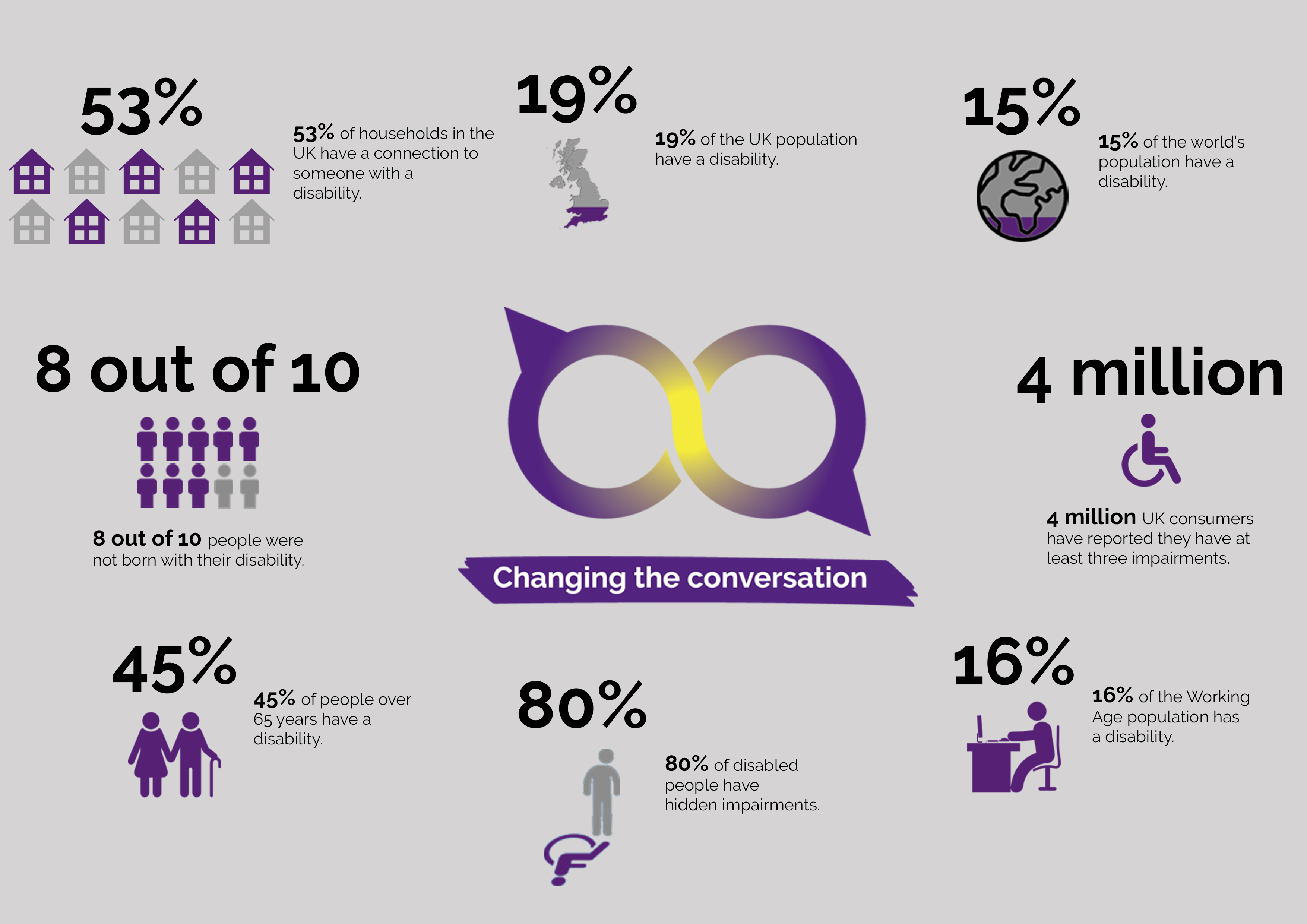
So, let’s cut to the chase. The most common disability in the UK is mobility impairment, particularly issues that affect a person’s ability to walk or move around easily. But here’s the twist: around 70% of disabled people in the UK have a condition that isn’t visible at first glance.
Think about that for a second. That’s like three out of four people you pass in a crowd having a hidden hurdle in their day. It’s a bit like those invisible ink messages you had as a kid—only this one affects how people live, work, and move through the world.
Must Read
Let’s break down the numbers
According to recent government stats, nearly 16 million people in the UK have a disability. That’s roughly one in four of us. And within that, mobility issues top the list, affecting about 50% of disabled adults.
But don’t zone out on the data yet—here’s the fun part. These mobility problems aren’t all about needing a walking stick. They include chronic pain, arthritis, back problems, and even conditions like fibromyalgia that make moving feel like wading through treacle. Ever had a bad back for a week? Imagine that being your Tuesday every Tuesday.
Why it’s cool to know this
Okay, “cool” might be a weird word for disability, but bear with me. Understanding this is like learning the secret menu at your favourite café. It changes how you see the world and makes you a better human for free.
For instance, have you ever parked in a disabled bay and felt a bit smug? Now you know that the person who really needs that space might not look “disabled” at all. They could have lung disease, a heart condition, or a severe fatigue disorder that makes walking from the far end of the car park feel like a marathon in flip-flops.
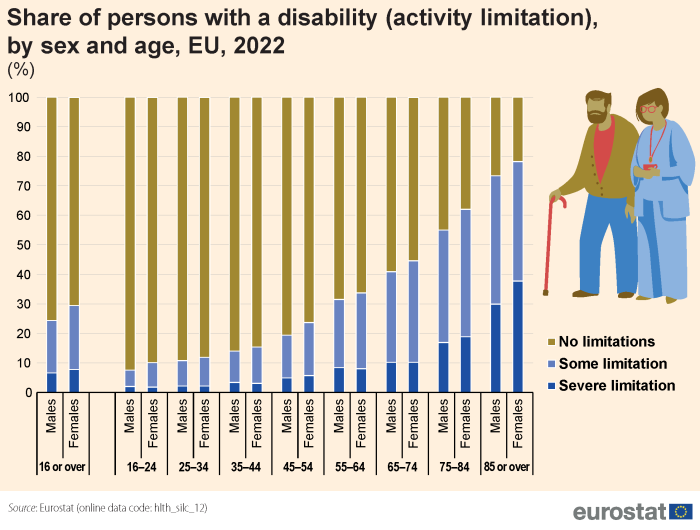 Population with disability - Statistics Explained
Comparing disabilities to everyday stuff
Imagine your phone battery is at 10% all day—every day. That’s what living with a common mobility impairment like ME/CFS or arthritis can feel like. You’re not broken, but you’re running on low power, and the charger is across the room.
Or picture this: you’re trying to walk through a crowded tube station with a heavy suitcase that has one wobbly wheel. That jolt, the extra effort, the hidden frustration—that’s the daily reality for millions. Makes you want to give up your seat a bit more often, right?
The other top contenders
After mobility, the next most common disabilities in the UK are mental health conditions (like anxiety and depression) and chronic pain. Yes, pain itself is classified as a disability when it’s persistent.
Then come hearing loss, visual impairment, and learning disabilities. But here’s a mind-bender: dementia is now one of the fastest-growing disability categories in the UK. That’s something we don’t talk about enough at dinner parties.
 Social Model Of Disability Uk , Inclusive language guide and examples
Why this matters for you (yes, you)
Almost everyone reading this will, at some point, either become disabled or care for someone who is. Ageing alone nearly guarantees it—by the time you hit 65, your odds of having a disability are about one in two. So this isn’t a “them” problem; it’s a future “us” situation.
Knowing that mobility issues are the most common disability helps us design better cities, workplaces, and even Instagram captions (ramp access isn’t just for wheelchairs—it’s for parents with prams, delivery drivers, and your tired self after a long run).
The chill takeaway
So, the most common disability in the UK is hidden in plain sight: it’s the ache in someone’s knee, the fatigue that never lifts, the breath that runs short after a few stairs. It’s normal, it’s common, and it’s part of being human.
Next time you’re standing on a bus and see a seat labelled “priority,” you might pause. That person who looks fine might be battling their own invisible marathon. And honestly, that’s not sad—it’s just real. And real is way more interesting than perfect, don’t you think?
