How Long Does A Reverse Osmosis System Last

Ever wonder if your reverse osmosis system is secretly immortal? You’re not alone. That sleek little appliance under your sink works hard, turning tap water into something tha...

Ever wonder if your reverse osmosis system is secretly immortal? You’re not alone. That sleek little appliance under your sink works hard, turning tap water into something that tastes like it came from a mountain spring. But even the coolest gadgets have a shelf life. So, how long does a reverse osmosis system last anyway? Let’s dive in without getting technical, just curious and a bit relaxed.
The Big Picture: 10 to 15 Years (Usually)
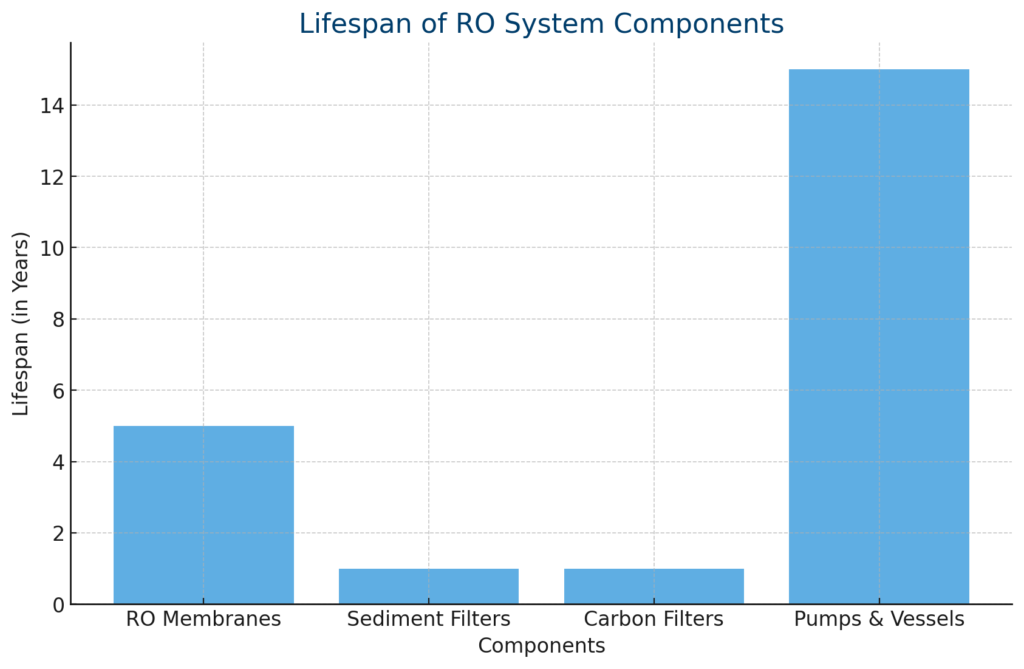
Here’s the good news: a well-maintained RO system can hang around for 10 to 15 years. Think of it like a good pair of boots—they last forever if you clean them and don’t drag them through lava. The main unit, with its metal frame and valves, is built to endure. But like any long-term relationship, it needs some TLC to keep the magic flowing.
Why It’s Not a Set-and-Forget Thing
Here’s the twist: the system itself lives long, but its parts don’t. The filters are like the batteries in your TV remote—they run out of juice way before the remote breaks. Pre-filters might need swapping every six months, while the RO membrane, the heart of the show, typically lasts 2 to 4 years. So, when people ask “how long does a reverse osmosis system last?”, they’re really asking about the whole package.
Must Read
The Membrane: The Unsung Hero (or Villain)
That thin, spiral-wound membrane is the star. It’s what pushes out the bad stuff—lead, chlorine, weird tastes—and lets the good water through. But it’s also sensitive. Hard water, high sediment, or chlorine overload can kill it early. Think of it as a picky rock star who needs the right tour bus. Without proper pre-filters, the membrane might conk out in 2 years, not the usual 4.
Filter Lifespan: A Fun Breakdown
Let’s get practical but keep it chill. You’ve got three main filter stages: sediment, carbon, and post-carbon. The sediment filter (catches dirt) lasts 6 to 12 months. The carbon filter (removes chlorine) is about the same. The final polishing filter? Also 6 to 12 months. So, if you change them yearly, your system stays happy. It’s like changing the oil in your car—skip it, and the engine (membrane) gets grumpy.
But wait—there’s a cool part. Some modern RO systems come with smart monitors that tell you when to swap filters. No guessing, no math. It’s like having a little robot assistant who just whispers, “Hey, time for a change.” How cool is that?
 How Long Do Reverse Osmosis Water Systems Last? Expert Tips
The Tank: A Glass Half Full Question
Most RO systems have a storage tank that holds purified water under pressure. That tank? It’s a champ. It can last 10 to 15 years if the internal bladder stays intact. But that bladder can develop a slow leak, making the water taste flat or the system run forever. If your water suddenly tastes meh, the tank might be the culprit. Replacing it is easier than you think—like changing a bike tire.
What About the Faucet?
Your sleek, brushed-nickel RO faucet is surprisingly tough. It can last 5 to 10 years before the o-rings dry out or the handle gets sticky. If it starts dripping, you can often just replace the cartridge inside rather than the whole thing. It’s a small win for your wallet and the planet.
When It’s Time to Say Goodbye
Here’s a reality check: after 12 to 15 years, the plastic housings can become brittle. The seals might crack. Maybe the system starts leaking from a spot you can’t fix. At that point, it’s not worth bandaiding. You’d be amazed how much better a new model performs—faster water, less waste, maybe even a touchless faucet. It’s like upgrading from a flip phone to a smartphone—everything just works smoother.
 How Long Does a Reverse Osmosis System Last? - EAI Water
Fun Comparison Time
Think of your RO system as a pet hamster. It doesn’t need a walk, but it does need clean bedding (filter changes) and fresh food (water pressure). If you ignore it for months, the “cage” gets funky. But if you give it a tiny bit of attention every season, it’ll entertain you with crisp, clean water for over a decade. That’s a pretty good deal for something that sits quietly under the sink.
The Cool Part: You Can Actually Extend Its Life
Here’s the secret: water quality matters. If you’re on city water with low chlorine, your filters last longer. On a well with lots of iron? You’ll swap more often. But here’s the fun twist—adding a whole-house sediment filter before the RO system can double the life of the membrane. It’s like giving your system a personal bodyguard. And that’s just clever.
So, how long does a reverse osmosis system last? The honest answer: 10 to 15 years for the core, with filter swaps every 6 to 12 months. Treat it kindly, and it’ll treat every glass of water like a tiny luxury. Go ahead—ask your system how it’s doing. It probably can’t talk, but the taste of your water will tell you everything.
