How To Test Water Quality At Home

Let’s be honest—most of us don’t think about our tap water until it tastes a little funny or leaves a weird spot on the counter. But here’s the secret: testing your water at h...
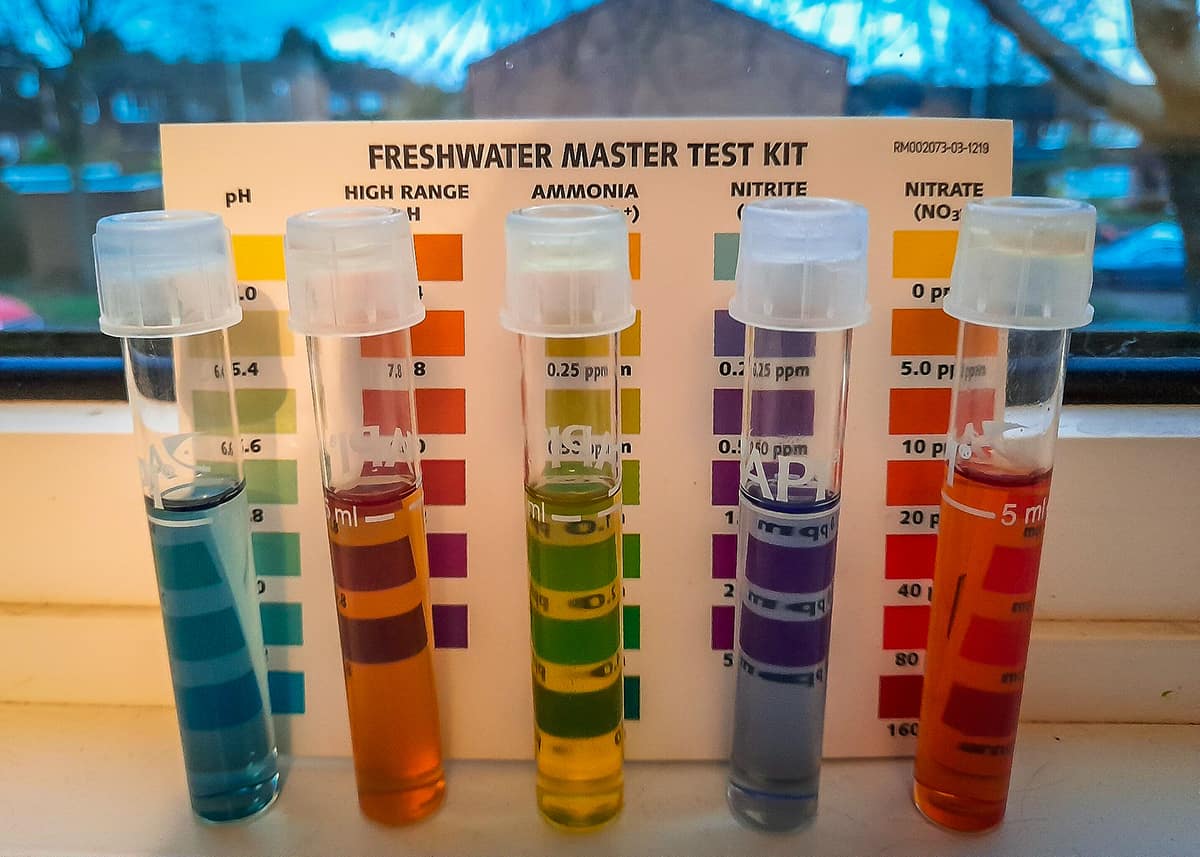
Let’s be honest—most of us don’t think about our tap water until it tastes a little funny or leaves a weird spot on the counter. But here’s the secret: testing your water at home isn’t just for scientists or doomsday preppers. It’s actually a fascinating, surprisingly fun way to become a hero for your own health and your home’s pipes!
Why Bother Testing? (Spoiler: It’s Not Just About Taste)
Your water might look crystal clear but still carry hidden guests—like lead, chlorine, or hard minerals. Knowing what’s flowing from your faucet helps you choose the right filter, protect your appliances, and even make your morning coffee taste gloriously better.
Plus, it turns you into a mini-detective. Who doesn’t love playing scientist with a glass of water and a test strip? It’s like a CSI episode, but with fewer crime scenes and more high-fives.
Must Read
The No-Fuss Starter Kit: Test Strips
Grab a pack of all-in-one water test strips from any hardware store or online—they cost about the same as a fancy latte. Simply dip a strip into a glass of cold tap water (room temp, please!), swish it, and wait 30 seconds.
The strip changes colors like a mood ring, and you match it to the chart on the bottle. You’ll instantly see levels for pH, hardness, chlorine, nitrates, and alkalinity. It’s so easy, you’ll feel like a water wizard. Pro tip: Test both cold and hot water—they can be totally different!
The Gadget Lover’s Route: Digital TDS Meter
If you crave numbers instead of colors, a Total Dissolved Solids (TDS) meter is your best friend. It’s a little pen-like device you dip into water, and it gives you a number—ideally under 500 parts per million.
 How to Test Water Quality at Home: Your Complete Guide – World Water
Anything above that means your water is packed with minerals or contaminants. It’s like checking the vitamin count on a cereal box, but for water. Bonus: You can test your bottled water against your tap water and settle that debate once and for all. (Spoiler: tap often wins!)
The Michelin-Star Method: Taste & Sight
Before you buy any tools, use your own senses. Pour a glass, let it sit for five minutes, then take a slow sip. Does it taste metallic? Plastic-y? Earthy? That’s your first clue.
Hold a second glass up to a bright light. If you see tiny floating specks or a cloudy haze, you’ve got sediment or bacteria issues. And if your white sinks have orange or blue stains? Hello, hard water or copper—you just saved a plumber’s visit.
What If You Find Something Weird? (Don’t Panic!)
First, take a deep breath. A slightly high pH or a little extra calcium isn’t a crisis—it’s just information. If a test shows lead or bacteria, call your local water utility or a certified lab for a follow-up. Most issues are fixable with a simple pitcher filter or a faucet attachment.
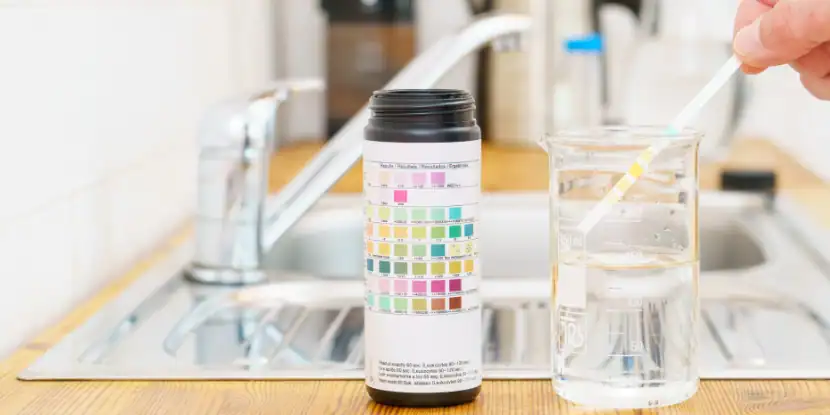 Know What's in It: How to Test Your Home's Water Quality - Anawalt
And hey, even if your water is perfect, you now know exactly what you’re drinking. That’s empowering. You’re not just a person—you’re a guardian of your own tiny water planet.
Make It a Game: Test Once a Month
Set a reminder on your phone for the first of every month. Grab your test strip, your TDS pen, or just your sense of curiosity, and do a quick check. Track your results in a notebook or a note on your phone.
Over time, you’ll see patterns—like how a big rainstorm might change the hardness, or how your plumbing ages. It’s like a weather report for your kitchen, and it’s oddly satisfying. Plus, you’ll have a killer party fact: “Did you know the pH of my tap water is 7.2? I’m basically a water sommelier.”
Here’s the uplifting part: By testing your water, you’re not just checking boxes—you’re saying “I care about what I put into my body and my home.” That’s a huge, beautiful, tiny step toward taking control of your world. So go ahead, grab a strip, dip it in, and smile. You’ve just become the most interesting person at your own kitchen sink. Now, who knows what else you’ll discover about your water—or yourself?
