How To Disinfect Water Dispenser

It happens without fanfare. One morning, your water tastes a little... off. Not bad, exactly, just vaguely weird. Maybe it has that faint hint of “old Tupperware” or something...

It happens without fanfare. One morning, your water tastes a little... off. Not bad, exactly, just vaguely weird. Maybe it has that faint hint of “old Tupperware” or something you can’t quite name. That’s your water dispenser politely asking for a spa day. We trust our sleek, modern dispensers to deliver hydration on demand, but they’re basically tiny ecosystems. Left to their own devices, they become five-star hotels for bacteria, mold, and mineral sludge.
The Silent Party in Your Dispenser
Here’s the fun little fact that will light a fire under your cleaning schedule: a stagnant water dispenser can harbor more bacteria than a dog’s water bowl. Shocking, right? The warm, dark interior of the reservoir is a microbe’s paradise. They throw raves, build biofilms, and leave a taste that ruins your cucumber-water vibe. But don’t panic—you don’t need a hazmat suit or a chemistry degree.
You just need a sunny afternoon and a few common household items. Think of this as the Marie Kondo method for your H₂O station. We’re not just cleaning; we’re restoring joy to your hydration ritual. Let’s get that dispenser sparkling.
Must Read
What You’ll Need (The Cast of Characters)
First, gather your tools. You’ll need white vinegar (the unsung hero of natural cleaning), a soft sponge, a clean toothbrush (for the nooks), and a bucket. Bleach is optional but not required for standard maintenance. Vinegar is gentler and doesn’t leave a chemical ghost in your next glass of water. Plus, it smells like a pickle farm for about ten minutes—very trendy.
If you have a bottleless (plumbed-in) dispenser, you’ll also need a wrench to disconnect the water line. For bottle-top models, just grab a new five-gallon jug. Pro tip: do this on a day when you’re not rushing to work. You want time to breathe and maybe listen to a podcast about ancient aqueducts for ambiance.
Step One: Unplug and Drain (The “Goodbye, Old Water” Ceremony)
Safety first: Always unplug your dispenser before cleaning. Electricity + water = bad romance. Remove the water bottle or disconnect the supply line. Then, open the hot water tap and let it all drain into your bucket. Watch the amber stream flow out. This is oddly satisfying—like watching sand in an hourglass.
Next, remove the drip tray and the faucet spouts if they’re detachable. These little plastic gremlins collect dust, stray coffee drips, and ancient crumbs. Soak them in warm soapy water for ten minutes. While they soak, use a flashlight to peer into the reservoir. See that slimy film? That’s a biofilm. You’re about to evict it with extreme prejudice.
Step Two: The Vinegar Bath (Channel Your Inner Chemist)
Mix a solution of one part white vinegar to three parts water. Pour this into the reservoir until it’s about halfway full. Don’t skimp—be generous. Plug the dispenser back in (yes, with the solution inside) and turn on the hot water heater. Let it run for 15 minutes. The heat activates the vinegar’s acidity, dissolving mineral scale and killing germs.
![HOW TO CLEAN: WATER DISPENSER [STEP-BY-STEP] - YouTube](https://i.ytimg.com/vi/gy_3uLQ1eMI/maxresdefault.jpg) HOW TO CLEAN: WATER DISPENSER [STEP-BY-STEP] - YouTube
HOW TO CLEAN: WATER DISPENSER [STEP-BY-STEP] - YouTube
You’ll hear a faint gurgle—that’s the sound of science happening. Vinegar is a 4% acetic acid solution. It’s the same stuff that pickles vegetables, so it’s essentially making your dispenser a giant, unappetizing pickle. But in a good way. Let it sit for another 15 minutes after the heating cycle ends.
Step Three: Scrub-a-Dub (The Satisfying Part)
Now, grab your sponge and toothbrush. Dip them in the vinegar solution and scrub every interior surface of the reservoir. Pay special attention to the water level sensor—that little plastic float that tells the machine when to refill. It’s a magnet for gunk. Also scrub the hot and cold faucet nozzles where droplets hang out.
For the drip tray, use your toothbrush to clean the grates. This is the part where you discover that coffee stain from 2017. Don’t judge it. Just scrub until everything gleams. Rinse all parts with clean water. If you see any stubborn white deposits (calcium scale), repeat the vinegar soak for another ten minutes.
Step Four: The Final Flush (Rinse Like You Mean It)
This is the most crucial step. Fill the reservoir with fresh, clean water. Then, drain it completely through the hot tap. Do this three times. Yes, three. You need to purge every trace of vinegar, or your next glass of water will taste like a salad dressing disaster. Trust me, I learned the hard way.
After the third rinse, fill the reservoir halfway again and run both the hot and cold taps for 30 seconds. Taste a sample. It should taste like pure, neutral water. If it smells like salad, rinse again. When it’s perfect, reassemble the drip tray and faucets. Reconnect your water supply or install a fresh bottle.
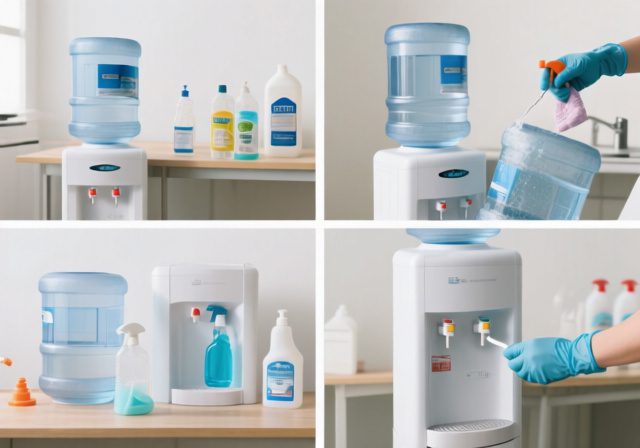 How To Disinfect A Water Cooler: Complete Guide 2026
Maintenance Hacks (Because Nobody Wants to Do This Monthly)
Do this deep clean every three months. But you can cheat between sessions. Wipe the exterior with a damp cloth weekly. Change the water bottle every two weeks maximum, even if it’s not empty. Stagnant water breeds bacteria faster than a TikTok dance trend goes viral.
Here’s a fun cultural nod: In Japan, many households use “yuzu” citrus in their water dispensers for a fresh scent. Try adding a thin slice of lemon or lime to the reservoir after cleaning—it’s a silent upgrade. Just change it daily. Also, keep your dispenser out of direct sunlight. UV rays accelerate algae growth, turning your water into a tiny green pond.
The Grand Reflection: Water as a Ritual
Disinfecting a water dispenser sounds like a chore, but it’s really an act of intention. In a world of constant bad news and screen fatigue, stopping to clean your water source is a quiet rebellion. It says, “I care about the small things.” Hydration is the foundation of your day. Starting with clean, crisp water sets a tone of clarity.
When you pour that first glass from a freshly cleaned dispenser, notice how the water tastes cleaner. It’s not just psychology—it’s chemistry. You removed the minerals, the biofilm, the whispers of yesterday. That’s the taste of self-respect. So go ahead, take a sip. The microbes have checked out. You’re the host again, and the party is over.
One last fact: The human body is about 60% water. You are basically a walking water dispenser. Clean your machine, and you honor the water within you. Cheers to that.
