What Is Purified Drinking Water

So, there I was, staring into my almost-empty glass of tap water. A single, tiny bubble clung to the side, and my brain, as it often does, went on a wild detour. I started won...

So, there I was, staring into my almost-empty glass of tap water. A single, tiny bubble clung to the side, and my brain, as it often does, went on a wild detour. I started wondering: What exactly am I drinking? The answer wasn't just “water.” It was a mystery cocktail of minerals, chlorine, and who-knows-what else from the pipes. That’s when I started my deep dive into purified drinking water. Sound familiar? You’ve probably stared at the same shelf full of plastic bottles and wondered, “Is this any different from what comes out of my faucet?”
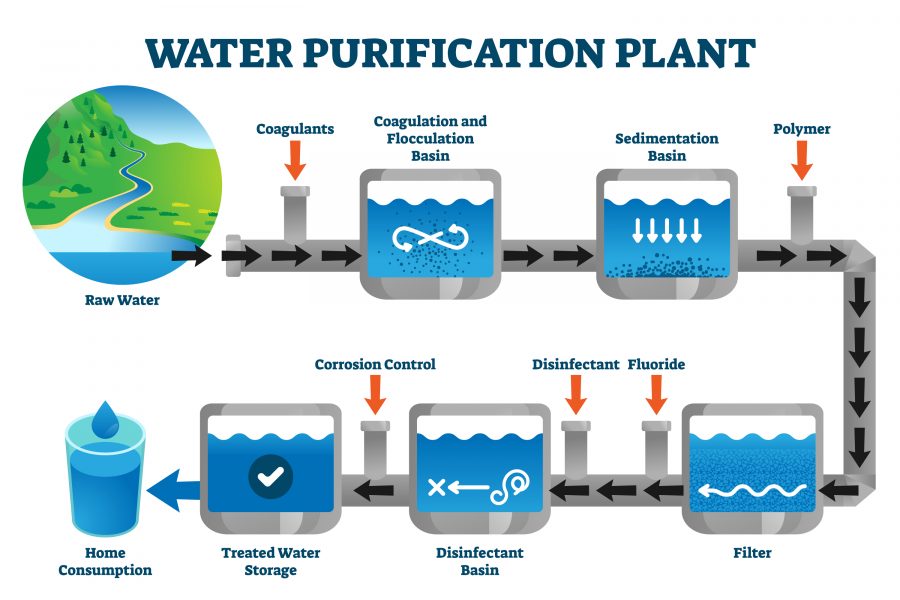
Let’s cut through the marketing hype. Purified drinking water is simply water that has been processed to remove impurities. Think of it as water that’s been sent to a luxury spa, given a full detox, and then politely asked to look its best for you. The goal is to strip away the stuff you don’t want: things like bacteria, viruses, chemicals like chlorine, and heavy metals. And yes, that includes the ghost of your old plumbing. It’s a far cry from the “natural” stuff found in a mountain spring, which is actually teeming with life—good and bad.
Wait, Isn’t Tap Water Already "Purified"?
Good question! Your tap water probably goes through municipal treatment, which adds chemicals like chlorine to kill germs. That’s why it leaves that faint pool-water aftertaste. But here’s the irony: that treatment doesn’t always remove everything you care about—like the taste of old pipes, lead, or microplastics. Purified water goes a step further, often using a multi-step process to get way cleaner than your tap water’s baseline.
Must Read
So, yes, tap water is safe in most places. But purified water is obsessive. It’s the difference between a quick hand wash and a full surgical scrub-down. If you’re a fan of pure, crisp taste with zero distractions, that’s the allure.
The Usual Suspects: How Do They Actually Purify Water?
Here’s where it gets geeky (and I love this part). There are a few main methods, and each one is like a different superhero with a specific power. First up is reverse osmosis (RO). This uses a super-fine membrane that squeezes water through while leaving almost everything else behind—dissolved salts, lead, even some viruses. It’s the gold standard for home filtration, but it wastes a lot of water in the process. (Side note: if you buy RO water, you’re basically paying for a fancy plastic bottle that contains the most boring water on earth. And I mean that as a compliment.)
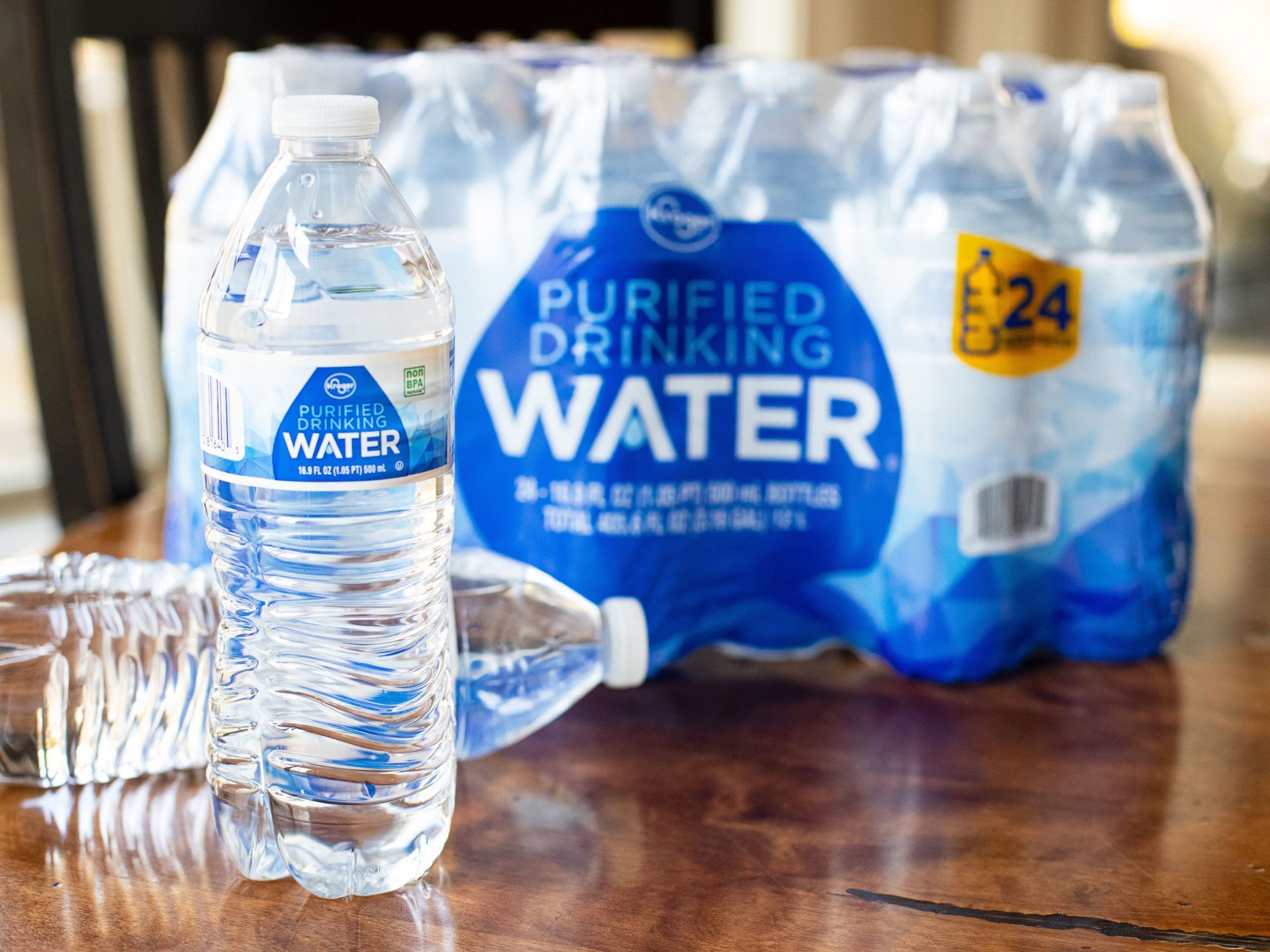 Kroger Purified Drinking Water 24-Pack Just $2.49 - iHeartKroger
Then there’s distillation. That’s the old-school method where you boil water, catch the steam, and let it condense back into liquid. It’s like slow-cooking water, but for purity. It kills everything, but it also strips away healthy minerals like calcium and magnesium. Drink too much distilled water, and your body might start looking at your bones for those minerals. Okay, that’s a bit dramatic, but you get the joke.
Finally, there’s deionization (DI). This uses special resin beads that swap out minerals for hydrogen and hydroxide ions. The result? Water so pure it can’t conduct electricity. Yes, it’s that level of overkill. It’s often used in labs and for industrial cleaning—not for daily hydration unless you want a neutral pH that tastes like a cloud. But hey, some people love it.
So, Should You Drink It?
Here’s the real talk: purified water is great for your taste buds, but it’s not a magic elixir. It’s clean, but it’s also empty. You’re not getting the trace minerals you’d find in spring water or even some tap sources. If your diet is already solid, missing a few milligrams of calcium from your water won’t kill you. But if you only drink purified water from a plastic bottle, you’re also ingesting microplastics from the bottle itself. Irony, right?
 What Is Purified Water? | The Chemistry Blog
My advice? If your tap water tastes like a swimming pool, go for a good quality home filter that uses carbon and reverse osmosis. You’ll save money, reduce plastic waste, and drink something that actually tastes like a blank canvas. Or, just buy a jug of the store-brand purified water—it’s the same stuff without the premium price tag. Pro tip: refill that jug at a water refill station if you have one nearby. Your wallet and the planet will thank you.
The Bottom Line
Purified drinking water is exactly what it says on the label: water that’s been stripped of nearly everything except H₂O. It’s excellent for when you want zero flavor and a guaranteed absence of nasties. But don’t let the fancy marketing fool you—it’s not nature’s finest; it’s human engineering at its most obsessive. And that’s perfectly fine.
So, next time you reach for that bottle, just remember the tiny bubble in my glass. Now you know exactly what you’re drinking: the result of a very thorough, slightly neurotic, and sometimes over-the-top journey to remove the world from water. Sip wisely. And maybe skip the distilled-only life—your teeth might prefer a little something to bite into.
