How To Remove Rust From Water

You know that moment when you turn on the tap, expecting a sparkling glass of refreshment, and instead you get a stream that looks like it just came out of a rusty pipe in a h...
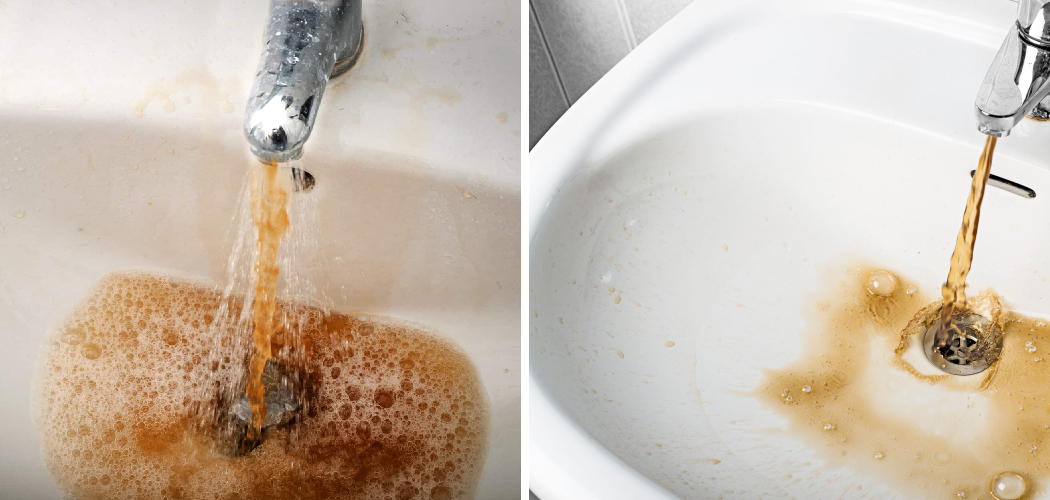
You know that moment when you turn on the tap, expecting a sparkling glass of refreshment, and instead you get a stream that looks like it just came out of a rusty pipe in a horror movie? Yeah, welcome to the club. That orangish, metallic-tasting water isn’t just an eyesore; it stains your sinks, ruins your white laundry, and makes your morning coffee taste like a retired battleship. The good news? You don’t have to move to a desert island or boil your bathwater to fix it.
Rust in your water is basically iron that got bored and decided to party with oxygen. Think of it as the water’s way of telling you it’s been hanging out with old iron pipes for too long. Before you start panicking and envisioning your hair turning into a Brillo pad, know that removing rust is totally doable. It just takes a little know-how and the right tool for the job.
The “Ain’t Nobody Got Time For That” Fix: Whole-House Filters
If your entire house smells like a hardware store after a rainstorm, a whole-house water filter is your new best friend. It’s like installing a bouncer at the main door, telling that rusty gunk, “Nope, not tonight.” These systems typically use a special media—like catalytic carbon or a greensand filter—to trap the iron before it ever touches your pipes.
Must Read
It sounds fancy, but it’s really just a big canister full of magic sand. You install it right where the main water line comes into your house, and from there, every faucet, showerhead, and toilet gets the VIP treatment. I spent a whole weekend crying over yellow bathwater until a plumber buddy installed one of these for a few hundred bucks. Suddenly my water was so clear I almost missed the rust—almost.
The Laundry Room Love Story: Water Softeners
Sometimes rust isn’t just iron; it’s “hard” iron, meaning it’s bonded with calcium and magnesium. This is the kind that turns your white socks into orange tie-dye projects. A water softener uses salt to swap out those nasty minerals for sodium, and in the process, it often yanks the rust out too. It’s like your water goes to a spa and gets a salt scrub.
Pro tip: if you have a softener, make sure you buy the right resin. Some resins are specially designed to remove “ferrous” iron, which is the dissolved kind. Without it, you’re just softening the water while the rust floats around, laughing at you. I once ignored this advice and my laundry came out looking like a tie-dye failure from a 4th grade art class.
The “I’m On A Budget” Hack: Point-of-Use Filters
If your whole house isn’t rusty, but your kitchen sink tastes like a tin can, just attack the source. A point-of-use filter (like a Brita pitcher or a faucet-mounted filter) is your cheap, cheerful solution. It won’t fix your shower, but it’ll save your favorite coffee mug.
 7 effective ways to get rid of rust in well water – Artofit
I used a countertop filter for two years, and it was like having a personal bodyguard for my water glass. Just remember to change the cartridge regularly—old filters become rust museums. My buddy Larry forgot to change his for six months, and his water started tasting like he was drinking from a shipwreck.
The Chemical Cowboy: Chlorine and Air Injection
For seriously rusty water—the kind that looks like Silly String when it hits a white sink—you might need to fight fire with fire. Chlorination systems inject a tiny amount of bleach, which oxidizes the rust, turning it into solid particles you can filter out. It sounds like science fiction, but it’s just giving the rust a chemical wake-up call.
Another option is an air injection oxidizer. It literally blows air into your water, which makes the rust particles clump together and fall out of suspension. Think of it as a bouncy castle for rusty bits—they get bounced around until they settle down. My neighbor swears by this system; he said his water went from “Georgia swamp” to “Swiss spring” in a day.
The “Wait, That’s Easy” Solution: Magnetic and Electrolytic Methods
I know, it sounds like pseudoscience from a late-night infomercial, but magnetic water conditioners are a real thing for some folks. These devices clamp onto your pipe and use magnets to keep the rust particles from sticking to each other or to your fixtures. It doesn’t remove the rust, but it stops the staining.
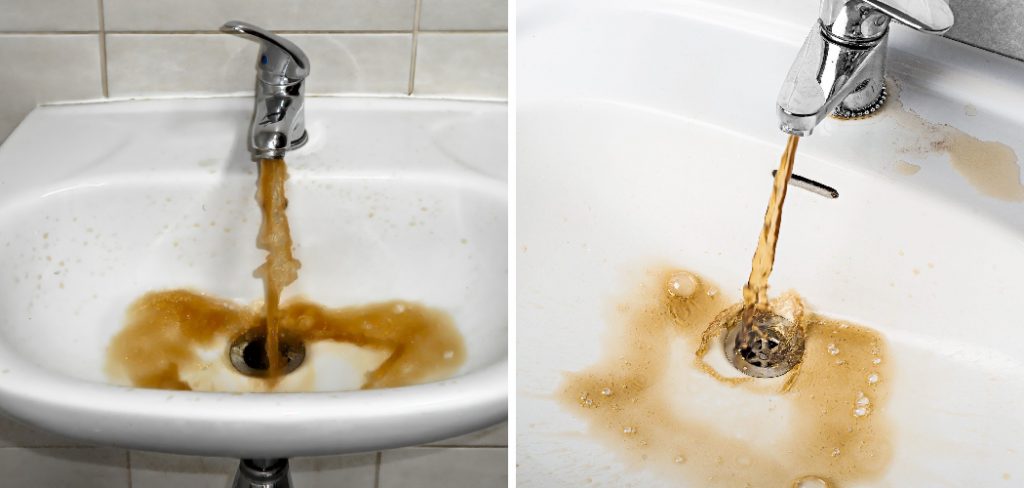 How to Remove Rust From Tap Water | 5 Easy Steps (2025)
Electrolytic systems use a small electrical charge to pull iron ions out of the water. It’s like a tiny electromagnet inside your plumbing. I tried a cheap magnetic clamp from Amazon once, and while it didn’t solve all my problems, it did make my shower curtain less orange. Your mileage may vary, but desperate times call for desperate magnets, right?
The Simple Check: Is It Really Rust?
Before you buy any fancy equipment, do a silly test: fill a clear glass with your rusty water and let it sit for 15 minutes. If the orange stuff settles at the bottom, it’s probably just sediment from your pipes (easy fix: flush your water heater). If it stays dissolved and looks like tea, you’ve got iron in your actual water supply.
My cousin once spent three hundred dollars on a filter, only to discover his rusty water was actually from a garden hose left in the sun. He felt like a genius and a fool at the same time. Always check the simple stuff first, because nobody likes buying a $500 rust remover for a problem a $10 hose washer could have fixed.
Look, rusty water is annoying, but it’s not the end of the world. You can live with a little orange tint, or you can spend a weekend (and a few hundred bucks) making your water crystal clear. Either way, just keep a smile on your face and a filter on your faucet. Your morning coffee, your white shirts, and your sanity will thank you.
