What Is A Charcoal Filter

So, you’ve heard the term charcoal filter thrown around, probably while someone was trying to sell you a fancy water bottle or a weirdly expensive face wash. Let’s be honest:...
So, you’ve heard the term charcoal filter thrown around, probably while someone was trying to sell you a fancy water bottle or a weirdly expensive face wash. Let’s be honest: it sounds like something you’d scrape out of a campfire after a bad marshmallow roast. Spoiler alert: it’s actually way cooler than that.
What Even Is This Black Magic?
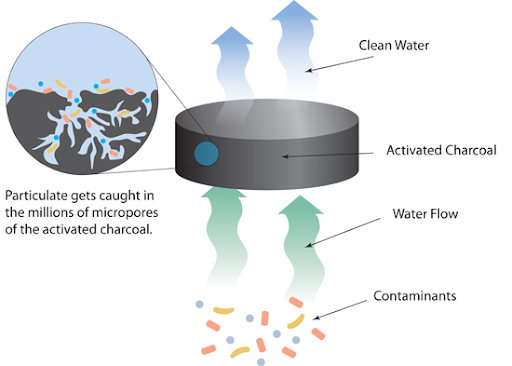
A charcoal filter is essentially burnt wood that has been treated to become a microscopic sponge for gross stuff. Imagine taking a piece of oak, setting it on fire until it’s black and crumbly, then activating it with steam or chemicals to make it extra porous. That’s the secret sauce: one gram of activated charcoal has a surface area the size of a football field. Yes, you read that right—a football field, but in your filter. I’m not sure how they fit the goalposts in there, but scientists are weirdly good at this.
The “activated” part is key. Regular charcoal is like a lazy couch potato; activated charcoal is that same guy after three espressos and a kick in the pants. It becomes a trap-happy monster for toxins, odors, and impurities, latching onto them like a clingy ex at a party. This process is called adsorption—not absorption, because spelling is hard and science likes to flex.
Must Read
How Does It Actually Work in Real Life?
Picture your kitchen sink. Now imagine a charcoal filter sitting there, looking like a black hockey puck that’s been through a war. When water passes through it, the carbon pores grab hold of chlorine, pesticides, and that faint “old sock” smell your tap water sometimes has. It’s like a bouncer at a club: “Sorry, chlorine, you’re not on the list. Nice try, mercury—back of the line.”
But here’s the unexpected part: charcoal filters are also used in fish tanks. Yes, your goldfish’s luxurious life probably depends on a tiny bag of burnt coconut shells. Without it, the tank water would smell like a swamp where drama goes to die. And if you’ve ever forgotten to change the filter, you know that smell—it’s the olfactory equivalent of your pet fish filing a formal complaint.
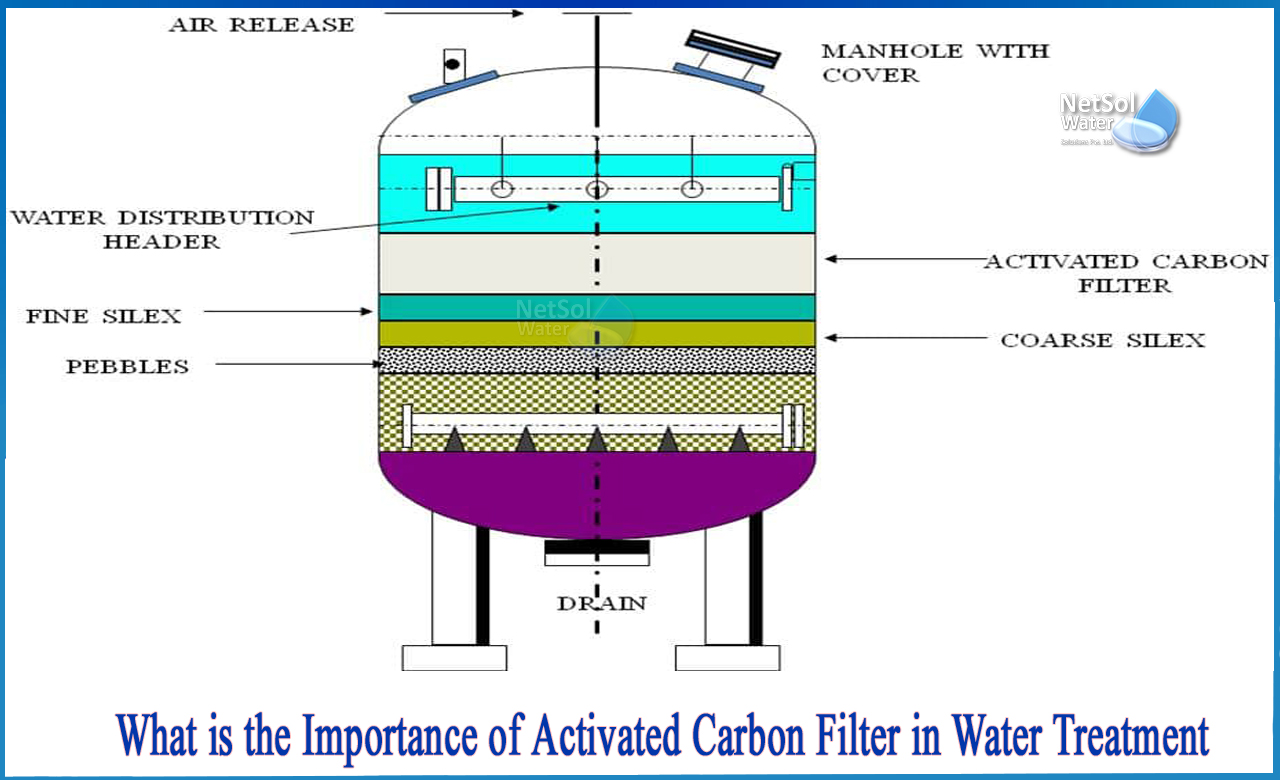 How To Make A Charcoal Filter
The Weirdest Uses You Never Saw Coming
Charcoal filters aren’t just for water and fish. They’re also the secret weapon in your fancy vacuum cleaner. That little black sponge stops dust from shooting back into your lungs and reminds you that your carpet is actually a museum of dead skin cells. You’re welcome, lungs.
Then there’s the charcoal face mask trend. People smear it on their faces, hoping to extract “toxins” from their pores. Look, I’m not saying it doesn’t work, but the idea that your face is a toxic waste dump is probably a bad reality show pitch. If you try to pull one off and it feels like you’re ripping off your own identity, that’s adsorption in action—or just bad product design.
Surprising Fact: Your Grandpa’s Medicine Cabinet
Doctors used to hand out activated charcoal pills for poisonings. Seriously, if you ate something dumb, they’d shove a spoonful of black powder down your throat. It works by binding to the poison in your stomach before it hits your bloodstream. Today, it’s still used in emergency rooms, but it looks less like a witch’s brew and more like a grim superhero cape. Also, it turns your poop black—so don’t panic if you ever take it; you haven’t turned into a goth vampire.
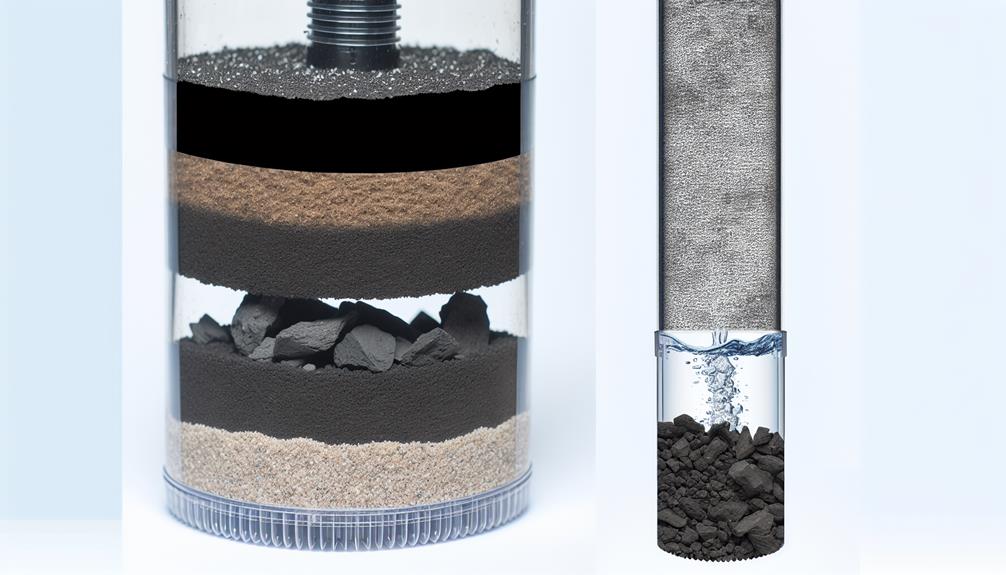 Activated Charcoal Water Purification – XFCWK
Are Charcoal Filters Just a Trend?
No way. They’ve been around since ancient Egyptians used charcoal to purify water and probably mummify a few accidental spills. Today, you’ll find them in air purifiers, water pitchers, and even some refrigerators that claim to “eliminate odors.” That claim is mostly true—except for the forgotten broccoli from 2019. Charcoal can’t fix everything, buddy.
But here’s the catch: charcoal filters don’t last forever. They’re like a sponge that eventually says, “I’m full, stop feeding me.” When they get saturated, they start releasing the gunk back into your water or air. That’s why you have to replace them every few months—or enjoy your “filtered” water that tastes like a gym bag left in the sun. Your choice.
The Final Word
So, what is a charcoal filter? It’s a burnt, porous, overachieving piece of carbon that quietly saves your taste buds and your goldfish’s dignity. It’s the friend who shows up to clean up the mess without asking for credit—except it eventually demands to be replaced, which is fair. Next time you sip a glass of water that doesn’t taste like a swimming pool, give a nod to the black brick in your pitcher. And maybe don’t eat it, because that’s weird.
