How To Make A Water Ice

So, you want to make water ice. Not the sad, crunchy cubes that fall out of your freezer tray after you forgot about them for three months—no, we’re talking about the glorious...
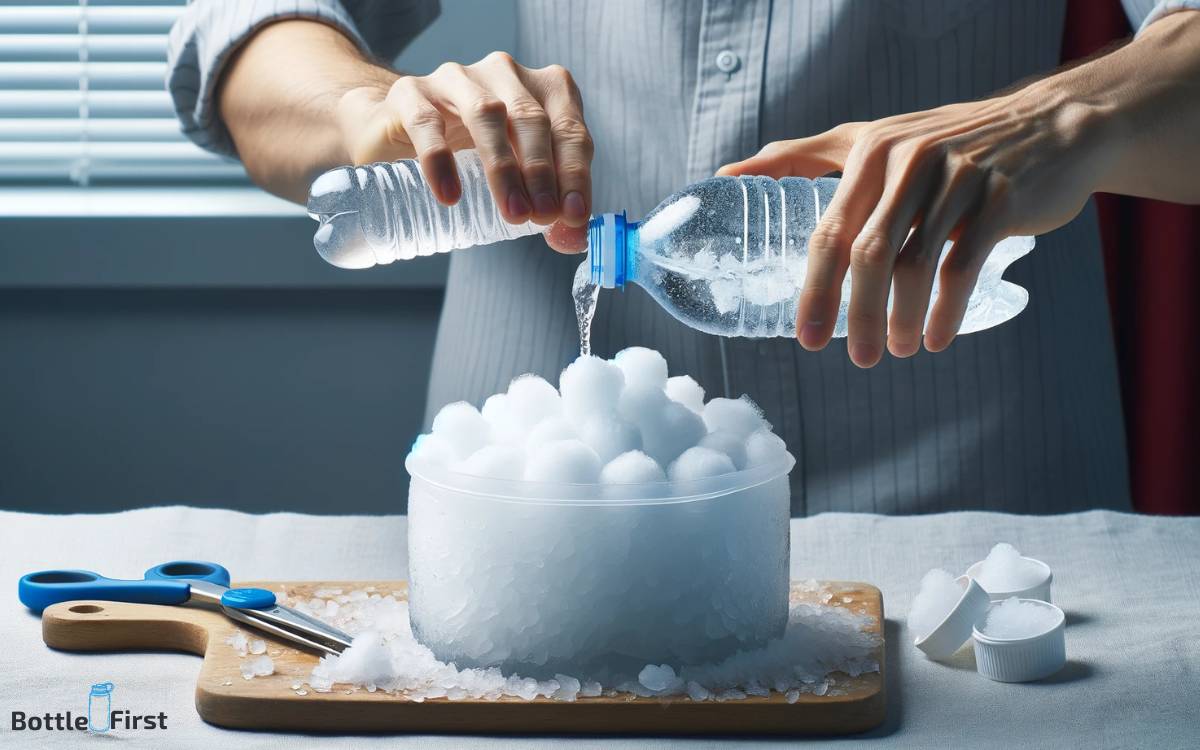
So, you want to make water ice. Not the sad, crunchy cubes that fall out of your freezer tray after you forgot about them for three months—no, we’re talking about the glorious, scoopable, Philadelphia-famous treat that pretends to be healthy because it’s fruit-flavored. Let’s be real: it’s basically frozen sugar water with a PR team. But wow, is it delicious.
First, you need to understand the science—and I use that term loosely, like a toddler holding a water balloon. Real water ice relies on a secret weapon: stabilizers. Things like corn syrup or a pinch of gelatin keep the ice crystals from forming a solid, icy brick that can break your spoon. Imagine tiny, angry ice crystals throwing a party; you want them to stay small and polite, not grow into hockey pucks.
Here’s a surprising fact: most homemade water ice fails because people use too much water. They think, “It’s called water ice, so let’s dump a hose in there.” Big mistake. The real trick is to use a concentrated fruit base—like a compote or a super-strong syrup—and then add just enough water to make it slushy. You’re not making a swimming pool; you’re making a snow cone’s sophisticated cousin.
Must Read
The Great Sugar Debate
Now, sugar. You need it. Not for taste, but for texture. Sugar is a cryoprotectant, which is a fancy word for “stops your water ice from turning into a block of regret.” If you try to use artificial sweeteners, you’ll get a brittle, icy mess that tastes like a ghost of a fruit. I once tried a “keto” water ice. It required a chainsaw to serve.
But don’t just use any sugar. Use a mix of regular granulated and light corn syrup. The corn syrup is the MVP here—it lowers the freezing point just enough so your water ice stays soft and scoopable, even after a week in the freezer. Think of it as the bouncer keeping the ice crystals from getting too rowdy.
Fruit: The Star (or the Liar)
You can use fresh fruit, frozen fruit, or even high-quality juice. But here’s the shocking part: most commercial water ice has zero actual fruit. It’s all flavor extracts and red dye #40. At home, you can be a hero. Use ripe strawberries, mangoes, or even pineapple. But remember: fruit is mostly water, so if you use too much, you’ll need to add more sugar to compensate. It’s a delicate dance, like a penguin on roller skates.
Pro tip: macerate your fruit. That means toss it in sugar and let it sit for 30 minutes. The sugar pulls out the fruit’s juices and creates a syrupy heaven-puddle. Then you blend it, strain out the seeds (unless you enjoy the crunch, you monster), and you’re halfway to victory.
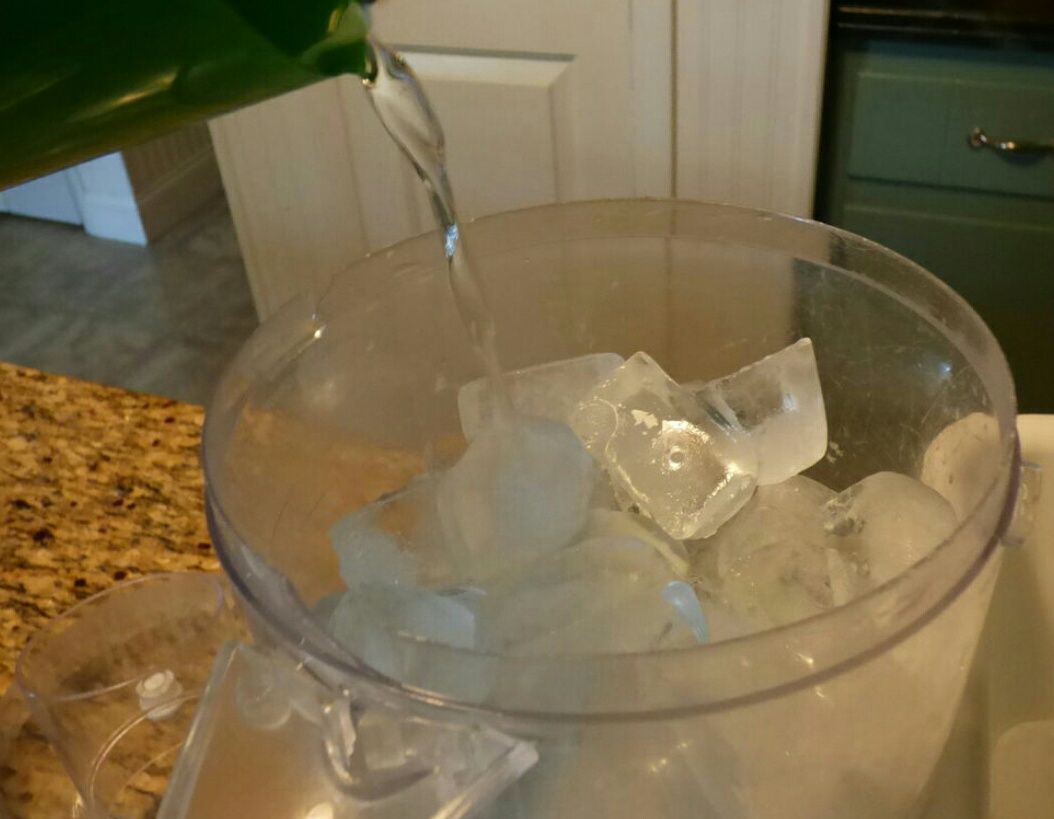 How to Make; Water Ice : 5 Steps - Instructables
Here’s a weird fact: lemon juice is not just for sourness—the acid helps prevent the water ice from freezing into a solid rock. A tablespoon per quart will save your spoon. Also, add a pinch of salt. Yes, salt. It doesn’t make it salty; it makes the flavors pop like a firecracker in a library.
The Freezing Method
Don’t just pour the mixture into a pan and hope for the best. That is a terrible idea and will result in a sad, icy slab you need to chisel apart. Instead, pour it into a shallow dish—like a 9x13 pan—so it freezes quickly. Every 30 minutes, take it out and stir it with a fork. Aggressively. Like you’re fighting it. This breaks up the ice crystals and gives you that fluffy, scoopable texture.
You can also use an ice cream maker if you’re fancy, but the fork method is cheaper and gives you an arm workout. Two birds, one frozen stone. After three or four rounds of stirring, it should look like a slushy, granular snow. Let it freeze solid for another hour, then let it sit on the counter for five minutes before serving. This is crucial—it’s called tempering, and it prevents you from losing a filling.
Flavor Freakouts
Classic flavors: cherry, lemon, blueberry. But why stop there? Try watermelon-mint (blend watermelon, add fresh mint, strain), or pineapple-basil. One time, I made a coffee water ice—cold brew, sweetened condensed milk, and a dash of cinnamon. It tasted like a caffeinated dream, but it also turned my tongue brown for three hours. Worth it.
 How To.make Water Ice at Charlene Ortega blog
I caution you against adding artificial flavorings from a bottle. They taste like a plastic fruit that grew up in a chemical lab. Always use real ingredients, unless you’re making a gag gift. I once made a “pickle” water ice for a joke party. It was surprisingly good, but only because I added enough sugar to make a dentist cry.
Here’s an insane fact: water ice is actually a form of “granita,” the Italian dessert. So when you’re eating it at a summer barbecue, you can arch an eyebrow and say, “Ah, yes, my homemade granita al limone.” It’s the same thing, but saying it in Italian makes you sound like you have a villa in Tuscany, even if you live in a studio apartment.
The Final Scoop
To sum up: use a concentrated fruit base, plenty of sugar and corn syrup, a splash of lemon, and a pinch of salt. Freeze it in a shallow dish and stir it every 30 minutes with the rage of a thousand suns. Let it rest before serving. Serve in a paper cone or a plastic cup—never glass, because that’s how you lose a tooth when it melts and slips.
Now, go forth and freeze. Your friends will be impressed, your children will worship you, and you’ll have an excuse to stand by the freezer for hours, fork in hand, mumbling about “crystal structure.” It’s not weird; it’s science. Enjoy your sweet, cold triumph.
