Best Whole House Arsenic Filter

So, you’ve just discovered that your well water contains arsenic. Congratulations—you’ve basically won the “poison in your morning coffee” lottery. And no, that’s not a cool n...
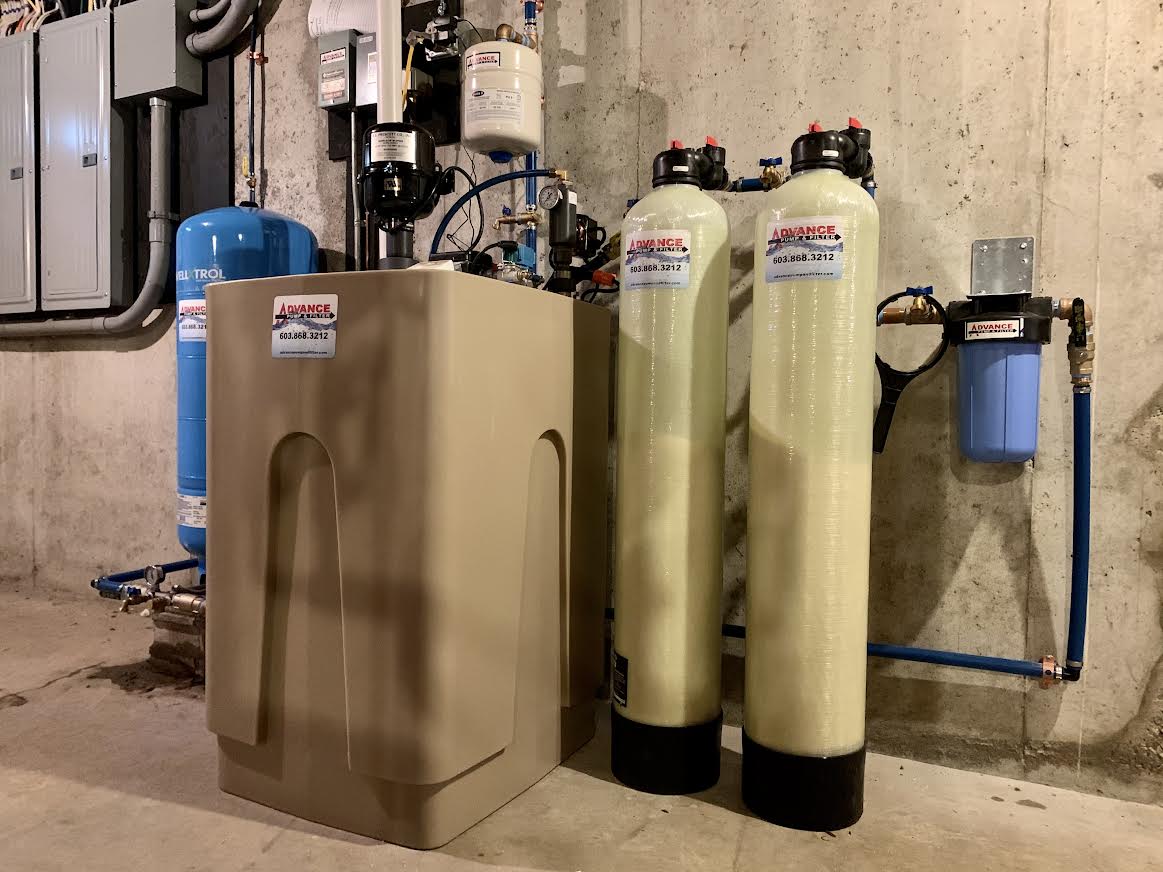
So, you’ve just discovered that your well water contains arsenic. Congratulations—you’ve basically won the “poison in your morning coffee” lottery. And no, that’s not a cool new health trend. Arsenic is the sneaky villain of the water world: it’s tasteless, odorless, and will happily hang out in your body for years, causing chaos with your skin, lungs, and nerves. But fear not! We’re going to talk about the best whole house arsenic filter like we’re picking a superhero for your plumbing.
Why Your Whole House Needs a Bodyguard
Think of a whole house filter as a bouncer at a club. It stops the riff-raff—arsenic, lead, weird sediment—before they can dance into your tap, shower, and dishwasher. A point-of-use filter (like a pitcher) only protects your drinking glass. That’s like hiring a security guard for your front door but leaving the windows open. Your skin absorbs water, too. Showering with arsenic is basically giving it a free ride into your bloodstream while you sing off-key to your favorite 80s power ballad.
Fun surprise: Arsenic isn’t just in groundwater from industrial pollution. In parts of the U.S. and India, it’s naturally leached from rocks. So even if you live in a pristine forest, you might be sipping medieval poison. Thanks, geology!
Must Read
The Contenders: Which Filter Type Wins?
Not all filters are created equal. Pitcher filters? Useless. Activated carbon? Nope—it’s like using a napkin to stop a tsunami. For whole house protection, you need one of three heavyweights: reverse osmosis (RO), anion exchange, or iron-based media. Each has a personality, so let’s meet them.
Reverse osmosis is the drama queen. It rejects nearly everything, including arsenic, but it’s super slow and wastes water—like a toddler throwing a tantrum. You’ll need a big storage tank and a lot of patience. It’s great for POE (point-of-entry) if you don’t mind your water taking a leisurely stroll through a maze of membranes.
 Whole House Arsenic Removal Systems – ZVEPM
Anion exchange is the quiet nerd. It swaps arsenic ions for harmless chloride ones, like a polite chemistry trade. It works best on water with low iron and high acidity. But if your water has too many other minerals, it gets confused and throws a pH fit. You’ll need a pre-filter to hold its hand.
And the Winner Is… Iron-Based Media
Iron-based media filters—like Bayoxide E33 or GFH (granular ferric hydroxide)—are the pure, unadulterated champs. They’re like that friend who shows up to help you move furniture with zero complaints. Arsenic bonds to the iron like a lovesick magnet, and it stays there. Remove the media every few years, and you’re golden. Plus, they handle both arsenic III and V, which is fancy talk for “they kill the easy and the hard forms of the poison.” Downside? They’re not cheap upfront. But neither is needing a new pancreas.
 15 Best Whole House Water Filter Systems That Promise Clean, Safe Water
Pro tip: Check your iron and manganese levels. If they’re high, you need a pre-filter to prevent your media from getting tired. Think of it as giving your superhero a sidekick.
What to Look for in a Filter (A Survival Guide)
First, know your arsenic levels. Test your water, because guessing is for horoscopes, not poison. The EPA says 10 parts per billion is the “safe” limit, but many experts argue that’s like saying one cigarette is fine. Aim for zero if you can. A good whole house filter will drop concentrations below 2 ppb, which is basically “we can’t even find it with a microscope” territory.
Next, flow rate matters. If you have four kids and two bathrooms, don’t buy a filter with the flow rate of a sad garden hose. Look for units that handle 10-15 gallons per minute. Otherwise, you’ll be taking 45-minute showers, and your teenager will still manage to use all the hot water.
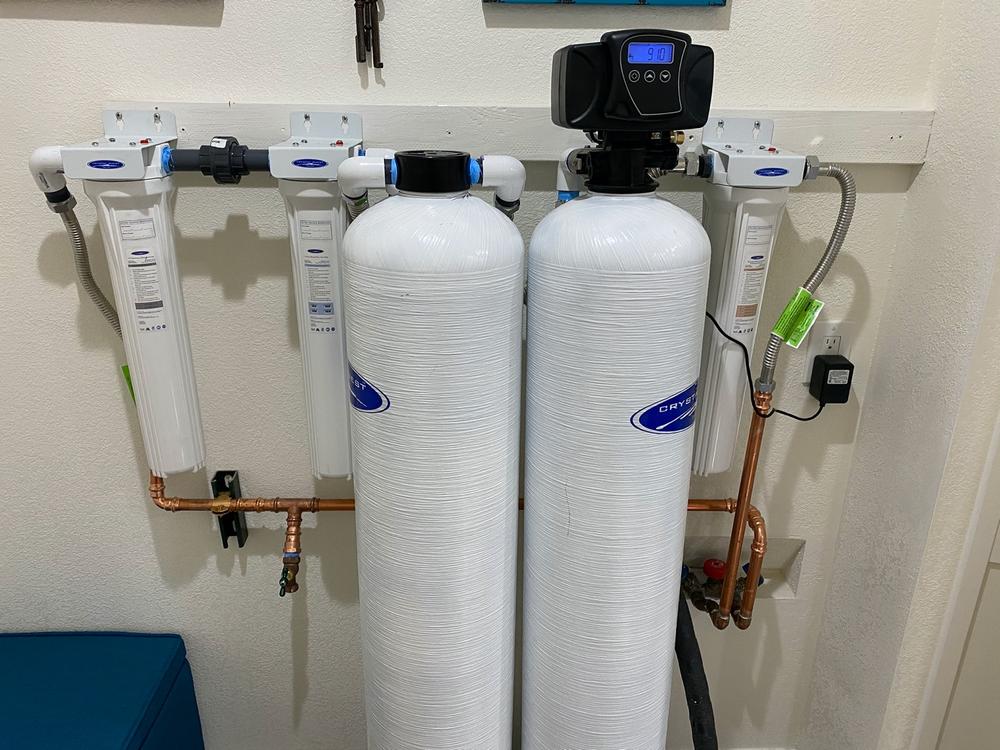 Whole House Arsenic Filter And Water Softener at Donald Pray blog
Also, maintenance is real. Some filters backwash automatically—just like your washing machine. Others require manual nastiness. Unless you enjoy wrenching on pipes while muttering curses, get an auto-backwash model. Trust me.
The Weird Science Bonus
Arsenic was once used as a beauty treatment in the Victorian era. Women ate arsenic wafers to get “pale, luminous skin.” It worked, but it also, you know, killed them. So, when you install that whole house filter, you’re literally saying “Nope, I prefer my skin to not glow in a deadly way.” That’s a power move.
 Arsenic Contamination of Groundwater and Its Implications for Drinking
Also, rice absorbs arsenic like a sponge. If your well water is contaminated, your rice pilaf is basically a poison delivery system. A whole house filter protects your cooking water, too. No one wants arsoghetti for dinner.
Final Verdict (and a Joke)
The best whole house arsenic filter depends on your water chemistry, budget, and how much you enjoy unclogging things. For most homes, an iron-based media system is the reliable, no-BS hero. Pair it with a sediment pre-filter, and you’ll have water so clean that health inspectors would weep with joy. And remember: buying a cheap filter is like buying a parachute from a yard sale—it might work, but why risk it?
Now go forth, test your water, and become the envy of every paranoid neighbor. Your plumbing—and your internal organs—will thank you. And if anyone asks why you’re so passionate about water filters, just say you’re on a roll—a carbon roll, or an iron roll, whatever. I’ll be here all week.
